San Jose's Data Center Boom: How PG&E is Powering the City's Tech Future
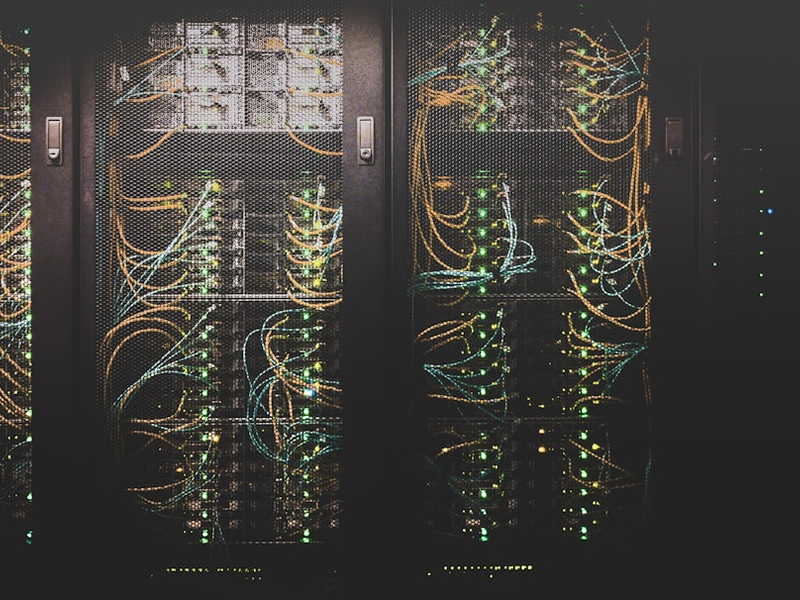
Photo by Taylor Vick on Unsplash
San Jose is on the brink of a major technological transformation, with power utility PG&E set to energize a dozen large-scale projects by 2030. This strategic move positions the city as a potential powerhouse for data centers, advanced manufacturing, and cutting-edge research facilities.
The ambitious plan comes with significant economic promise. City officials, like Erica Garaffo, believe these large energy customers can generate substantial revenue, potentially bringing in $3 million to $7 million for the city’s general fund from data centers alone. The first project, an Equinix data center on Great Oaks Boulevard, is already expected to contribute $2.5 million annually.
A key milestone in this development is the upcoming completion of two transmission lines by LS Power, which will add 2,000 MW of electrical capacity by 2028. This infrastructure upgrade is crucial for attracting tech companies and positioning San Jose as a premier destination for data center development.
However, the rapid expansion isn’t without controversy. Environmental advocates like Ellina Yin from AllAI Consulting have raised concerns about potential health impacts. The latest Equinix data center, for instance, includes 36 backup diesel generators and does not use recycled water.
Councilmember David Cohen has urged transparency, emphasizing the need for clear communication with the public about the implications of these developments. The city’s approach seeks to balance economic growth with environmental considerations.
PG&E’s commitment includes not just power provision, but also funding a dedicated development team and creating service delivery guarantees for projects over 20 MW. The utility suggests that increased energy usage could even help reduce overall electricity bills by spreading fixed costs.
As San Jose positions itself at the forefront of the AI and tech revolution, these infrastructure investments could prove transformative. The city is betting on a future where technological innovation meets sustainable urban development, with power infrastructure serving as the critical backbone of this vision.
AUTHOR: pw
SOURCE: The Mercury News