AI in Schools: OpenAI's Quiet Takeover of San Francisco Classrooms
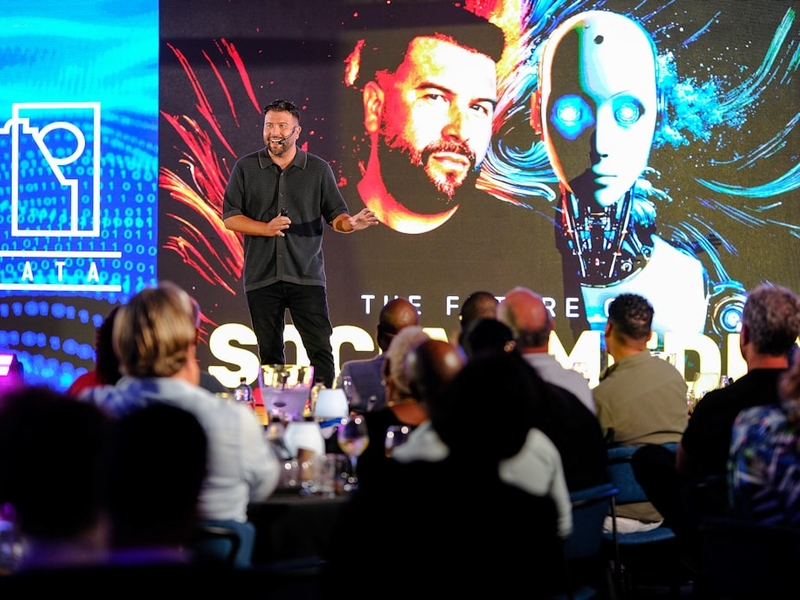
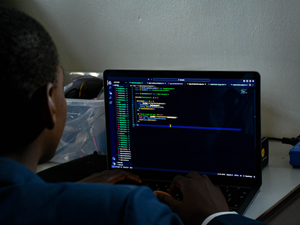
Photo by Carlos Gil on Unsplash
In a move that’s raising eyebrows across the education tech landscape, the San Francisco Unified School District has entered into a contract with OpenAI that bypasses traditional oversight and sparks serious student privacy concerns.
The district signed an agreement with OpenAI for ChatGPT EDU on January 22nd, authorizing deployment for up to 12,000 end users without first seeking board approval. This unilateral decision emerged during ongoing teacher contract negotiations, adding another layer of complexity to an already tense situation.
The contract’s details remain shrouded in mystery, with key information redacted and critical questions unanswered. While the district claims the agreement will come with “appropriate oversight” and establish “clear guardrails around data protection,” privacy experts are skeptical.
Lee Tien from the Electronic Frontier Foundation warns that such technology procurement decisions often lack meaningful public scrutiny. “It’s simply rubber-stamping decisions that were being made, and you don’t know why they were being made,” Tien emphasized.
The United Educators of San Francisco have been vocal about their concerns, seeking limitations on AI classroom use and protections against potential job displacement. Their ongoing negotiations have highlighted the broader tensions surrounding artificial intelligence’s role in education.
Moreover, the lack of comprehensive federal or state regulations governing generative AI in K-12 schools creates a regulatory vacuum. Existing student privacy laws were written long before chatbots and large language models entered classrooms, leaving significant gaps in protection.
While the district asserts that the OpenAI agreement prohibits selling or training models on student data, critical questions remain about what specific information might be processed, who can access these tools, and under what conditions.
As California school districts increasingly integrate AI technologies, this case underscores the urgent need for transparent, ethical frameworks that prioritize student privacy and educational integrity. The stakes are high, and the potential consequences of unchecked technological adoption could reshape how we understand learning, data, and student rights.
AUTHOR: tgc
SOURCE: San Francisco Public Press