AI Agents Team Up to Build a Groundbreaking C Compiler - And It's Mind-Blowing
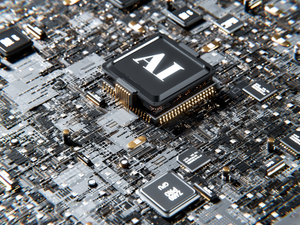
Photo by Igor Omilaev on Unsplash
In a groundbreaking experiment that pushes the boundaries of artificial intelligence, Anthropic researcher Nicholas Carlini has demonstrated the incredible potential of AI collaboration by using sixteen instances of Claude Opus 4.6 to create a fully functional C compiler from scratch.
The ambitious project involved deploying AI agents in individual Docker containers, each working independently on a shared Git repository. Without centralized direction, these AI models identified and solved coding challenges, even resolving merge conflicts autonomously. Over two weeks and nearly 2,000 coding sessions, the team generated a remarkable 100,000-line Rust-based compiler with impressive capabilities.
The resulting compiler achieved a 99 percent pass rate on the GCC torture test suite and successfully compiled complex open-source projects like PostgreSQL, SQLite, Redis, FFmpeg, and QEMU. Perhaps most impressively, it even compiled and ran the classic video game Doom - a true testament to its functionality.
While this achievement is undoubtedly exciting, experts caution against overstating its implications. Compilers represent a relatively constrained coding environment with well-defined specifications and comprehensive testing frameworks. Real-world software development often involves more nuanced challenges that require deeper context and strategic problem-solving.
Carlini, who previously worked at Google Brain and DeepMind, utilized Anthropic’s new “agent teams” feature to orchestrate this collaborative effort. The compiler has been publicly released on GitHub, inviting further examination and potential contributions from the developer community.
This breakthrough highlights the evolving landscape of AI-driven software development, suggesting that collaborative AI models might revolutionize how complex technical projects are conceived and executed. As AI continues to advance, we may be witnessing the early stages of a fundamental transformation in coding and technological innovation.
AUTHOR: mei
SOURCE: Ars Technica