Scientists May Have Cracked the Mysterious Code Behind Lupus
Living with lupus can feel like navigating a complex medical maze, where symptoms strike unpredictably and treatments come with their own set of challenges. But hope is on the horizon as Stanford researchers have potentially uncovered a groundbreaking link between this devastating autoimmune disease and a surprisingly common virus.
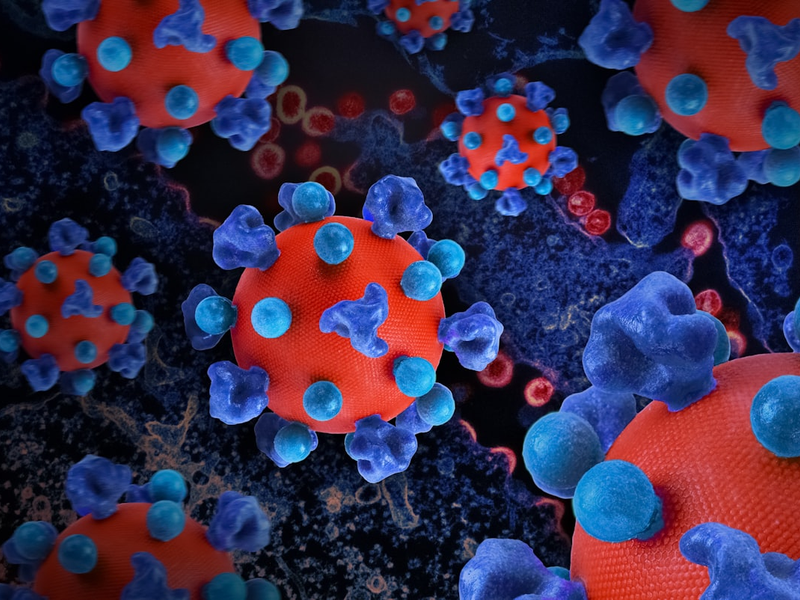
A recent study published in Science Translational Medicine reveals that the Epstein-Barr virus (EBV), which approximately 95% of Americans carry, might be the key to understanding lupus. The research suggests that this virus can infect specific white blood cells, ultimately causing the immune system to turn against the body’s own tissues.
Lupus predominantly affects women, with about 1.5 million Americans battling this condition. Currently, there’s no cure, and existing treatments often come with significant side effects like osteoporosis and potential eye damage.
The Stanford research team, led by Professor Bill Robinson, believes they’ve identified the biological mechanism that triggers lupus. Their goal is ambitious: developing a targeted approach to remove virus-infected white blood cells, which could potentially “effectively cure” the disease.
Patients like Shauntay Davis-Patterson, who has lived with lupus for 30 years, understand the profound impact of this condition. She has experienced severe joint pain, hair loss, and kidney complications, often feeling that lupus patients “suffer in silence” because others don’t comprehend their daily struggles.
The study has been met with excitement in the medical community. Betty Tsao, an autoimmune disease researcher, described the research as a “major breakthrough” that could lead to significantly improved treatment options in the near future.
While a complete cure isn’t guaranteed, this research represents a critical step forward. By understanding the root cause of lupus, scientists are moving closer to developing more effective, targeted treatments that could transform the lives of millions.
For now, lupus patients like Davis-Patterson and Kathleen Ford continue to demonstrate remarkable resilience, hoping that breakthrough research like this will eventually provide the relief they’ve long awaited.
AUTHOR: mb
SOURCE: The Mercury News