SF Teachers Are Finally Striking—Here's What You Need to Know
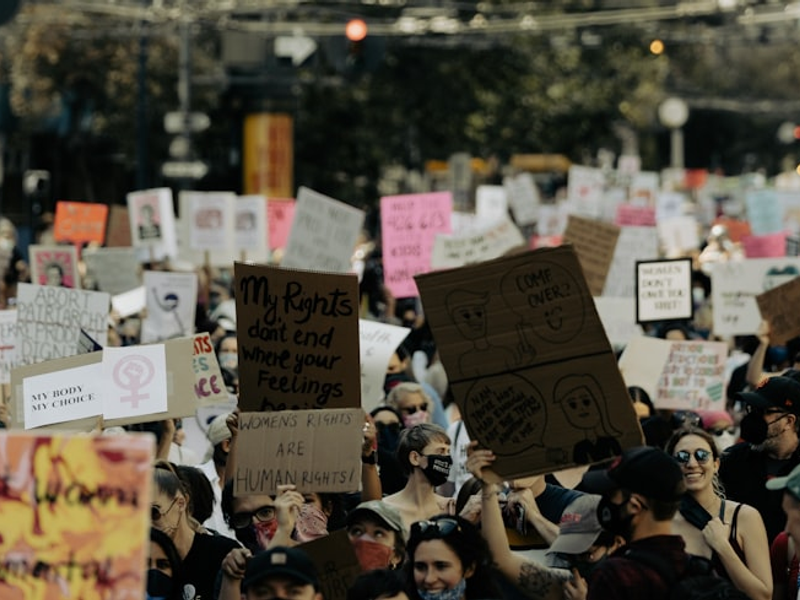
Photo by Graham Klingler on Unsplash
After nearly 50 years, San Francisco teachers have walked off the job. On Monday, roughly 6,000 educators hit the picket line for the first time since 1979, forcing the closure of schools for the district’s 48,000 students. The strike came after months of failed negotiations between the San Francisco Unified School District and the United Educators of San Francisco, with 97.6% of union members voting to authorize the action earlier this month.
So what’s actually being fought over? The core issue comes down to pay and healthcare, specifically, the cost of covering family members. Teachers are demanding a 9% wage increase over two years and fully funded health insurance for dependents. Right now, educators are shelling out up to $1,500 every month just to insure their families. The district’s initial counter-offer? A measly 4% raise over two years and only partial dependent care coverage. The union argues this financial burden is making it nearly impossible to recruit and retain experienced teachers, especially in critical areas like special education.
The district claims it’s stuck between a rock and a hard place. With $114 million in cuts already made to this year’s $1.3 billion budget and a projected $59 million deficit looming next year, officials say they simply can’t afford the union’s demands. A neutral fact-finding report that came out last week actually sided with the district’s financial concerns, recommending smaller 3% raises instead. But the union has a counterargument: there’s a newly proposed $111 million special reserve fund that could help cover the costs, money the district wants to keep locked away for emergencies.
The district did eventually offer what they called a 6% equivalent raise by adding two paid working days to the school calendar, plus $24,000 in health benefits allowances. But the union rejected this because it came bundled with concessions like cutting teacher prep periods and limiting sabbaticals. Not exactly a fair trade-off.
The good news? Both sides have found some common ground. They’ve tentatively agreed to designate San Francisco as a sanctuary district and to place restrictions on AI use in schools, making sure it won’t lead to staff cuts or increased workloads. They’ve also agreed that any AI training would be compensated.
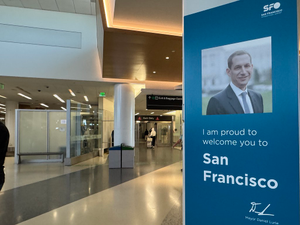
Mayor Daniel Lurie and Rep. Nancy Pelosi tried to broker a last-minute deal over the weekend, but it didn’t happen. The strike has the backing of other unions too, with administrators and clerical workers joining in solidarity. This is the first strike since 1979, when teachers were out for six weeks.
Negotiations were continuing Monday afternoon as schools stayed closed Tuesday. The fact that this is happening at all shows how strained things have gotten for educators trying to afford to live and work in the Bay Area.
AUTHOR: kg
SOURCE: San Francisco Public Press