The Ceasefire That's Making Gas Prices Drop (But Don't Get Too Excited Yet)
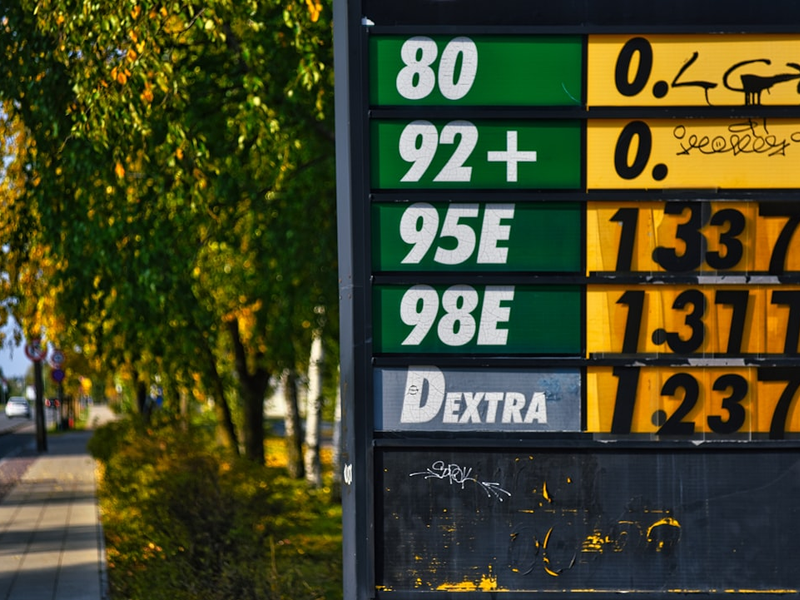
Photo by Vladislav Klapin on Unsplash
The US and Iran just agreed to a ceasefire, and honestly, the stock market is losing its mind in the best way possible. We’re talking about the Dow’s best day in a year, with a massive 2.85% jump. The S&P 500 and Nasdaq are riding the hype too, gaining 2.51% and 2.8% respectively. But before you start celebrating lower gas prices at the pump, there’s a lot of uncertainty still swirling around this deal.
The real reason everyone’s freaking out? Oil prices tanked hard. WTI crude tumbled 16.41% to settle at $94.41 per barrel, while Brent crude dropped 13.29% to $94.75 per barrel. These are the biggest single-day declines since April 2020. The Strait of Hormuz, a critical shipping route that normally handles about 20% of the world’s oil supply, has been effectively closed during the conflict, creating what experts are calling the biggest oil supply shock on record.
Here’s the thing though: the ceasefire is fragile, and major hurdles remain. Iran is saying this is temporary and that its military will control passage through the strait, potentially charging transit fees to shipping companies. Reports suggest fees could range from $1-2 million per tanker, which would add roughly $1 per barrel to oil costs. That’s basically Iran trying to gain unique economic and geopolitical leverage, and it’s not sitting well with the US and its allies.
The White House claims Iran assured them that traffic would flow through the strait again, but there are conflicting reports about Tehran potentially closing it after Israel attacked Lebanon. According to Bob McNally, founder of Rapidan Energy Group, “The market has been eager to get good news but it remains to be seen if the Strait of Hormuz opens fully. That’s the whole ball of wax and so far Washington and Tehran seem to be talking past each other on that”.
For folks here in the Bay Area and across the country, gas prices have jumped 40% since the war started, rising $1.18 to an average of $4.16 per gallon. While we might see some relief in the coming days, it’ll take at least one to two weeks for prices to drop below $4 nationally. Getting back to pre-war prices of less than $3 a gallon? That could take months.
The silver lining is that global markets are already celebrating. South Korea’s Kospi surged 6.87%, Japan’s Nikkei gained 5.39%, and European markets like Germany’s Dax jumped 5.06%. These countries are especially sensitive to Middle East energy volatility since they rely heavily on the region for oil and natural gas.
But as with most geopolitical situations, the devil’s in the details. There are still roughly 172 million barrels of crude stuck in the Gulf waiting to move. Until we see solid evidence that oil and gas are actually flowing freely through the Strait of Hormuz, we should probably temper our excitement about permanent price relief.
AUTHOR: cgp
SOURCE: CNN