This Startup's Nuclear Battery Breakthrough Could Finally Make Fusion Power Actually Useful
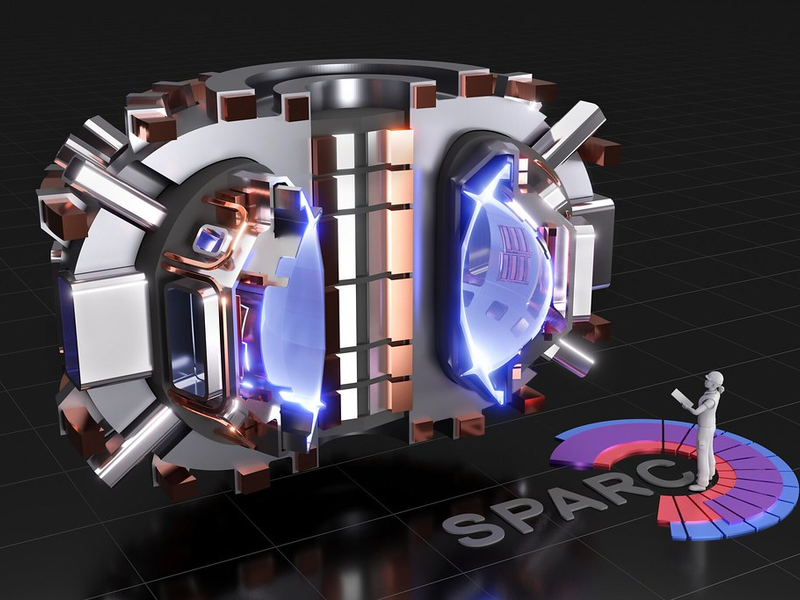
For decades, fusion power has existed in this weird limbo between “scientifically possible” and “actually practical”. Yeah, you can build a fusion reactor, heck, a college student literally did it in their bedroom, but getting that reactor to actually produce usable electricity? That’s where things get messy.
Avalanche Energy, a fusion startup, just got a $5.2 million contract from DARPA to tackle this exact problem. Their solution involves developing materials called radiovoltaics that could transform the way we harvest energy from fusion reactions.
Here’s the deal: fusion reactions release massive amounts of energy by smashing lighter atoms into heavier ones. But converting that energy into electricity has been frustratingly inefficient. The current approach, heating water and spinning a steam turbine, only captures around 60% of the power at best. That’s where radiovoltaics come in. Think of them like solar panels, but instead of converting light into electricity, they convert radiation. The tech exists, but current versions are pretty weak and get destroyed by the same radiation they’re supposed to harness.
What makes this funding interesting is that DARPA is primarily interested in using radiovoltaics for nuclear batteries that power spacecraft and satellites. These devices use radioactive decay from materials like polonium to generate electricity without needing traditional fuel. But here’s where it connects back to fusion: both fusion reactions and nuclear batteries produce alpha particles, super energetic radiation that can wreck equipment, including reactor walls.
Avalanche is developing a desktop-scale fusion reactor designed to replace diesel generators at remote military bases. If they crack the radiovoltaic code for DARPA’s nuclear batteries, they can apply that same technology to their own reactor. Basically, they’d create a special sheathing that captures those dangerous alpha particles, protects the reactor itself, and generates extra electricity in the process. The company also scored an additional $1.25 million from the Air Force’s AFWERX lab to accelerate materials discovery using computational advances.
This matters because fusion startups are racing to hit a milestone called “breakeven”, where the ratio of power produced by the fusion reaction to the power needed to sustain it reaches Q>1. If Avalanche can put those alpha particles to work generating electricity, they could make commercial fusion power way easier to achieve. Plus, if they succeed, other fusion companies will probably want to buy their technology, a trend that’s already starting to emerge in the industry.
The fusion race just got more interesting.
AUTHOR: tgc
SOURCE: TechCrunch