Millions Take to the Streets in Historic 'No Kings' Movement Against Trump
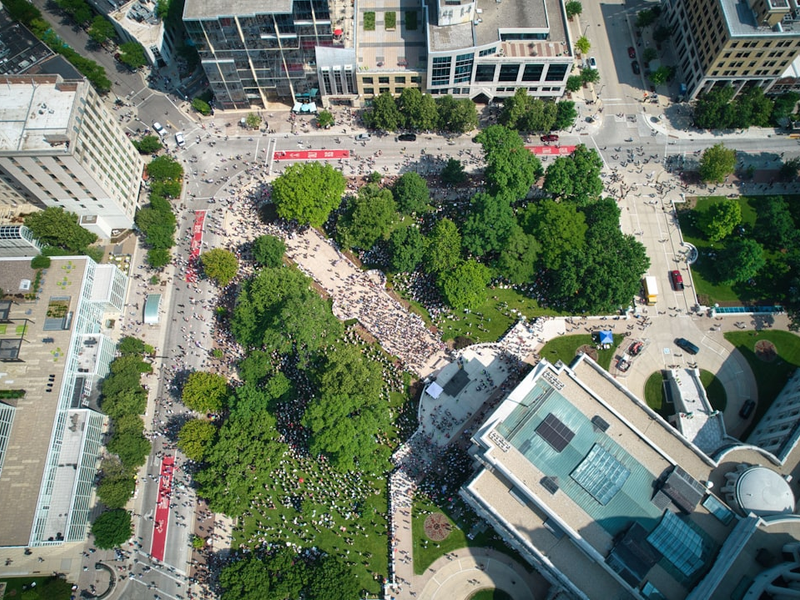
Photo by Graydon Schwartz on Unsplash
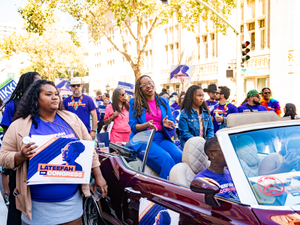
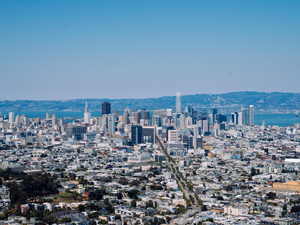
On March 28, the streets of San Francisco erupted with energy as approximately 60,000 protesters joined a massive national uprising against the Trump administration. Part of a coordinated “No Kings” movement that saw over 8 million people participate across thousands of events nationwide, the San Francisco march represented a growing wave of grassroots resistance that organizers are hoping to transform into lasting political power before the November midterms.
Liliana Soroceanu from Indivisible SF, one of the key organizers, emphasized the peaceful and community-focused nature of the demonstration. “It was peaceful, no incidents, joyous, and it allowed people to meet in their communities”, she said. While San Francisco’s turnout was slightly down compared to the October protests, the national picture told a different story, this time, 3,300 events occurred across the country compared to 2,500 in October, with overall participation jumping from 6 million to over 8 million people.
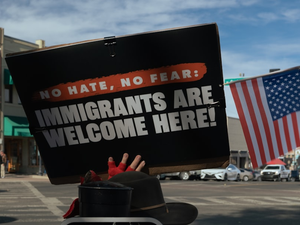
Protesters channeled their anger toward multiple issues: the unpopular and ongoing U.S. war against Iran that Trump launched without congressional approval, aggressive immigration enforcement by ICE, and what many see as the administration’s authoritarian tendencies and corruption. Recent polling shows 61% of Americans disapprove of the Iran war, giving voice to the international conflict dominating protesters’ concerns.
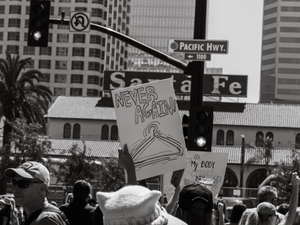
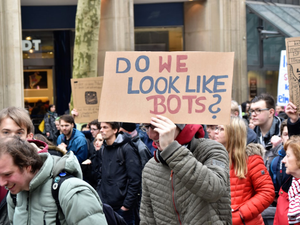
The march stretched from Embarcadero Plaza up Market Street to Civic Center Plaza, featuring colorful costumes, creative signage, and performances by local musicians. The atmosphere mixed celebration with serious messaging, as attendees wielded signs criticizing perceived lawlessness within the administration. Berkeley resident Pamela Blair drew stark comparisons, stating, “The concentration camps he set up for people who aren’t citizens, it’s like the Nazis in World War II”.
Organizers are now pushing toward an even more ambitious goal: a May 1 general strike calling for “no school, no work, no shopping”. This economic boycott represents a significant escalation in resistance tactics, with labor organizations leading the charge. Soroceanu pointed to the 40 information booths at the San Francisco march as evidence of their strategy to build sustainable community power. “By May 1, we’ll have a better idea how successful we were”, she explained.
Unions and community organizations were prominently represented. The California Nurses Association carried banners demanding Trump “Abolish ICE”, while Service Employees International Union Local 2015 pushed for wealth taxes. Glide Memorial Church members protested cuts to programs supporting the LGBTQ+ community and unhoused populations.
Musician Pete Kronowitt captured the historical significance as he addressed the crowd: “Today is shaping up to be the single largest day of protest ever in our country”. For many attendees like Charles Seliger of Oakland, simply showing up mattered. “It’s important to not feel alone in my disbelief and anxiety”, he said. With midterm elections approaching and momentum building toward May Day, organizers are betting that these demonstrations can translate grassroots energy into concrete political change that checks executive power.
AUTHOR: rjv
SOURCE: San Francisco Public Press