How Brazil's Ethanol Game is Changing Global Energy Politics (And Why Other Countries Are Paying Attention)
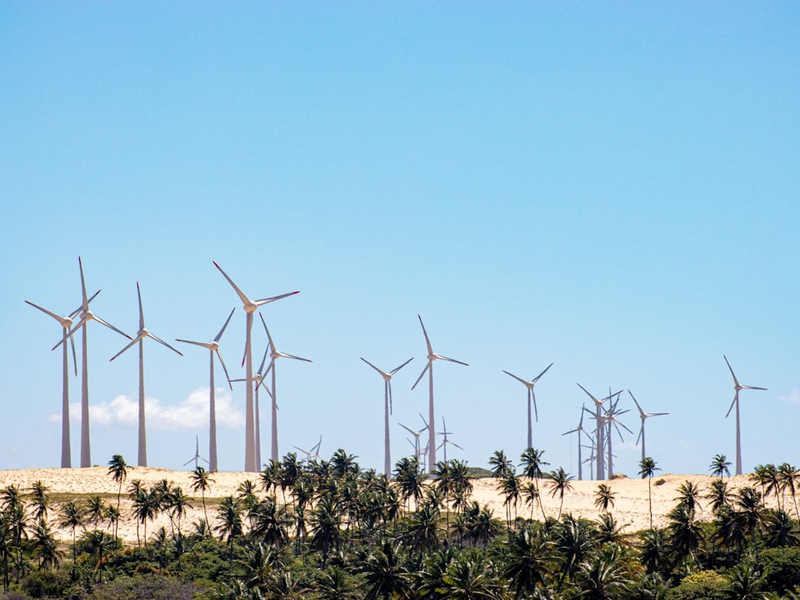
Photo by Vitor Paladini on Unsplash
While the Iran conflict sends shockwaves through global oil markets and gas prices skyrocket worldwide, Brazil is sitting pretty thanks to a decades-old energy strategy that most of us have probably never heard of. The country’s dual-fuel vehicle fleet, a system where millions of cars can run on either pure sugarcane ethanol or a 30% ethanol-blended gasoline, is proving to be an absolute game-changer in times of geopolitical chaos.
Let’s break down what makes this so wild. When the U.S. saw gasoline prices jump by 30% in March, Brazil’s only went up 5%. That’s not luck, that’s the result of a 50-year-old program that started back in 1975 and has evolved into something genuinely impressive. The flexibility to switch between fuel sources means Brazilians have a built-in buffer against global oil shocks, and right now, that buffer is looking pretty smart.
The numbers tell the story. Brazil’s sugarcane harvest, kicking off in April, is expected to produce a record 30 billion liters of ethanol, 4 billion more than last year. According to the Brazilian Sugarcane Industry Association, that increase alone equals the total gasoline Brazil imported during all of 2025. Meanwhile, ethanol accounted for 37.1 billion liters of sales last year, making it the backbone of daily commutes across the country.
What’s really interesting is that this isn’t just some random policy that happened to work out. Brazil invested heavily in research and technology to make this happen. Universities like Unicamp have entire research centers dedicated to ethanol development, and the country has achieved what other nations are now scrambling to replicate. Luis Cortez, a coordinator at one of these centers, points out that Brazil’s advantage comes from flexibility at three levels: in ethanol production, in vehicle engines, and in government policy setting fuel blend percentages.
Now, it’s not all smooth sailing. Diesel is still a problem since it relies more heavily on imported crude oil with only a 14% biodiesel blend compared to gasoline’s 30%. Diesel prices surged over 20% in March, forcing President Lula to propose import subsidies to prevent truck driver strikes and keep food prices stable heading into his reelection campaign.
But here’s where it gets really interesting for the rest of us: other countries are taking notes. Mexico’s president, Claudia Sheinbaum, is already talking to Brazilian officials about adapting their ethanol technology to work with agave, a plant abundant in Mexico. India and Mexico are both looking at Brazil’s model as a potential blueprint for their own energy security.
In a world where geopolitical conflicts can send entire economies into a tailspin, Brazil’s proven that investing in domestic renewable energy infrastructure isn’t just good environmental policy, it’s straight-up economic resilience. And that’s a lesson every country should be paying attention to right now.
AUTHOR: mls
SOURCE: AP News