Waymo's Robot Taxis Are Taking Over the Roads. And It's Happening Fast
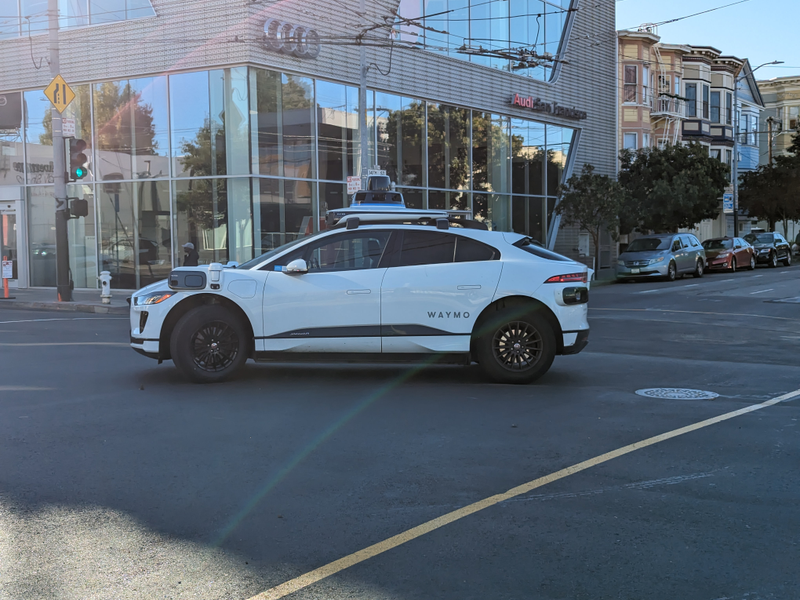
Waymo just hit a major milestone that shows the robotaxi revolution isn’t some distant future anymore, it’s actually happening right now. The Alphabet-owned company is running half a million paid robotaxi rides every single week across 10 U.S. cities, and the growth trajectory is absolutely wild.
Think about this: just two years ago, Waymo was doing 50,000 paid rides per week. Now they’re at 500,000. That’s a tenfold increase in less than 24 months. And it’s not just about more rides in the same places, Waymo has expanded aggressively across the country. They started in Phoenix, San Francisco, and Los Angeles, but over the past year alone, they’ve rolled out to Austin, Atlanta, Miami, Dallas, Houston, San Antonio, and Orlando. That’s seven new Sun Belt cities in just one year.
Here’s what makes this even more impressive: Waymo is achieving this explosive growth without dramatically expanding its fleet. The company reported having around 3,067 robotaxis equipped with their 5th generation self-driving system back in December 2025, and they’re still using that “over 3,000” number today. This means they’re basically squeezing more value out of each vehicle, keeping them on the road longer and running more rides per robot. That’s crucial because empty vehicles cruising around San Francisco don’t make anyone money and just add to traffic congestion.
But before we crown Waymo as the supreme robotaxi king, let’s keep some perspective. Uber completed over 1 million mobility trips per hour back in 2024, and that’s just their ride-hailing business. Waymo is still a tiny fraction of the overall ride-sharing market. They’re winning the robotaxi-specific race, sure, but it’s not even close to competing with traditional ride-hailing yet.
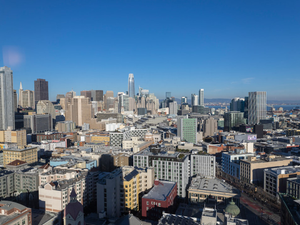
That said, Waymo is facing some real challenges that regulators and the public are paying attention to. Federal agencies are investigating reports of Waymo robotaxis behaving illegally around school buses. San Francisco officials are also frustrated with how the company handles stuck vehicles, sometimes requiring police and firefighters to help clear them from streets.
The competitive landscape is heating up too. Tesla launched a paid robotaxi service in Austin in January, though they still lack the permits needed to operate in California. Companies like Motional, Zoox, and Avride are also racing toward paid robotaxi services in various cities by the end of 2026. But right now, Waymo has a substantial head start and a lead that keeps growing every month.
AUTHOR: cgp
SOURCE: TechCrunch