Kentucky Distilleries Are Turning Bourbon Waste Into Next-Gen Energy Tech
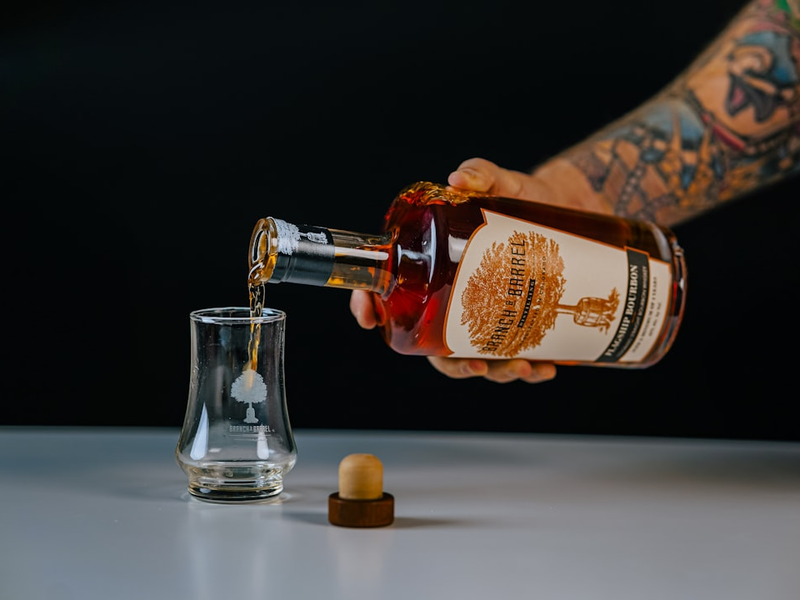
Here’s something wild: for every barrel of bourbon that makes it to your local liquor store, distilleries are left with six to ten barrels of straight-up waste. We’re talking about stillage, that’s the leftover watery mash after the whiskey gets distilled out. It’s been a major problem for bourbon producers for centuries, but now chemists at the University of Kentucky have figured out how to turn this waste into supercapacitors that could actually revolutionize how we store energy.
Josiel Barrios Cossio, a chemistry grad student at UK, was honestly shocked when he learned about the scale of bourbon waste. His advisor, Marcelo Guzman, and Barrios Cossio decided to experiment with converting that stillage into useful carbon materials using hydrothermal carbonization, basically a high-intensity pressure cooking technique that sounds way more complicated than it actually is. The results? Electrodes with serious energy storage capacity that match what you’d get from commercial supercapacitors already on the market.
Let’s back up for a second and talk about how bourbon actually works, because it’s kind of the whole reason this waste exists. Bourbon has to be at least 51 percent corn, with other grains like rye and barley making up the rest. That grain gets ground up, mixed with water, and yeast kicks off fermentation. After distillation, the clear spirit, called “white dog”, gets poured into brand new charred oak barrels and ages for at least two years. Those charred barrels give bourbon its distinctive dark color and flavor from caramelized sugars and vanillin. Here’s the thing: those barrels never get reused for bourbon again. They typically get recycled into barrel-aged beer, wine, barbecue sauce, and hot sauce production. That’s actually pretty sustainable.
But that leftover mash? It’s traditionally sold to farmers as livestock feed or soil additives, which sounds fine until you realize it’s expensive to dry out and a nightmare to transport when it’s still wet. The UK researchers presented their findings at a meeting of the American Chemical Society in Atlanta, showing that converting this waste into supercapacitors could be a total game-changer for the bourbon industry.
Boston has been a multi-billion-dollar industry since it really took off commercially after World War II, but it’s historically been pretty wasteful. If this supercapacitor technology scales up, it could mean distilleries aren’t just making a product people actually want to drink, they could also be contributing to renewable energy storage solutions. That’s the kind of innovation that makes sense for both the environment and the bottom line.
AUTHOR: mp
SOURCE: Ars Technica