Trump's AI Challenge Is Leaving Most California Students in the Dust
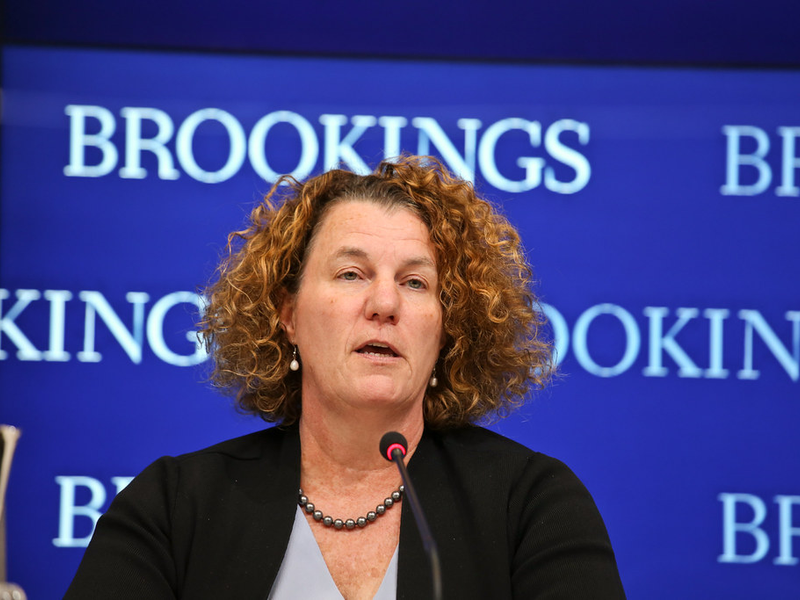
Photo by BrookingsInst | License
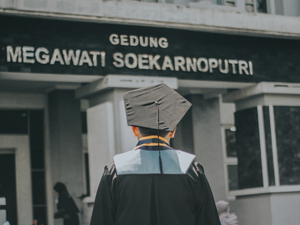
When Jason Collar played the official announcement for the Presidential AI Challenge in his Anaheim high school classroom, his ninth graders had one collective reaction: complete indifference. “Yeah… so?” is how he described their vibe. And honestly, their confusion makes sense. While the Trump administration launched this initiative to prepare students for an “AI-driven economy”, the rollout has been so scattered that many California schools don’t even know it exists.
The challenge, created through an executive order in April, invites K-12 students nationwide to develop AI projects that solve community problems. Winners get $10,000 per student and a trip to the White House. Sounds cool, right? The problem is that only a handful of well-resourced districts like Anaheim Union are actually participating. Meanwhile, California’s two largest school systems, LA Unified and San Diego Unified, have no plans to join in. Some districts, including ones literally located in Silicon Valley where AI companies are headquartered, say they’d never even heard of the challenge until reporters started asking questions.
This uneven rollout is deepening existing inequities in AI education. While districts with funding and partnerships keep adding opportunities to their already robust programs, students in underfunded districts are getting left further behind. The Trump administration isn’t offering any additional resources to help schools participate, which means the challenge designed to help all students mostly benefits the ones who already have advantages.
Students in participating schools are pointing out that the challenge itself isn’t even that clear. Julissa Lopez Mendez, a ninth grader at Katella High in Anaheim, said the guidelines lack details and clarity. Joshua Thomas Clifford suggested the challenge needs better promotion so people actually know about it. Even in Anaheim Union, which has been building AI programs since 2020 and works with nonprofits like aiEDU and Digital Promise, students weren’t finding out about the contest until late October, months after the announcement and just three months before the submission deadline.
The situation has some educators concerned about whether this is genuine education policy or just PR. Christian Pinedo from aiEDU pointed out that the Trump administration is simultaneously cutting federal STEM funding while pushing AI education, relying on companies like Microsoft, Google, and Amazon to fill the gap. That feels less like real educational support and more like a marketing move that benefits already-privileged students.
Some nonprofits are trying to make it work for underserved communities. aiEDU is building support packages for Title I and rural districts, training teachers and recruiting volunteer coaches. But for students without access to those programs, private tutoring companies like Integem are offering test prep courses at $25-$70 per hour, prices most families can’t afford.
Back in Anaheim, one student had a practical suggestion for making the challenge actually appealing. Instead of just cash prizes, they said, the administration should offer real job opportunities. Because if you’re a young person navigating an uncertain economy, a $10,000 check and a White House selfie probably aren’t what’s actually going to set you up for success.
AUTHOR: mp
SOURCE: CalMatters