California's Broken English Learner System Is Trapping Fluent Students. And New Bill Could Fix It

Photo by TeacherAmy | License
Thousands of California students who are already fluent in English are stuck in language support programs they’ve outgrown, and researchers say the state’s outdated reclassification system is to blame. A new bill introduced this week could finally fix a problem that’s been frustrating educators, students, and families for decades.
The issue is wild when you think about it: around 18,500 students statewide score the highest possible mark on California’s English language proficiency test each year, yet they still get classified as English learners the following school year. That’s roughly 18% of students who ace the test. Assembly Bill 2555, introduced by Assemblymember Darshana Patel, aims to change that by automatically reclassifying students as fluent once they hit that top score, starting in the 2027-28 school year.
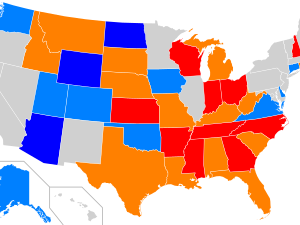
Right now, California makes students clear four separate hurdles to get reclassified: scoring a 4 on the English Language Proficiency Assessment for California (ELPAC), getting teacher approval, consulting with parents, and proving they have “basic skills” comparable to native English speakers. Forty-four other states? They only require one criterion, English language proficiency. Yep, California’s been using this exact system since 1976.
Research from Stanford, WestEd, and the University of Oregon suggests that the “basic skills” requirement is the main culprit. In one Stanford study of nine Bay Area districts, 39% of students who scored 4 on the ELPAC weren’t reclassified the next year, which shocked district leaders who thought the issue was actually English proficiency.
The consequences are real. When students can’t get reclassified, they’re often locked out of advanced courses and electives, especially brutal in middle and high school. Researchers also found a connection between being held in English learner status and increased truancy. Beyond academics, imagine the psychological toll: students feeling like they’re not valued or like they belong in school.
But here’s the good news from the research: students who score 4 on the ELPAC actually outperform native English speakers with similar family backgrounds on standardized tests. There’s no academic benefit to keeping them classified as English learners. WestEd and University of Oregon researchers found zero academic advantage to delaying reclassification.
Advocacy groups are backing the bill too. Parent Organization Network found the current system confusing and complicated for families. Californians Together, which advocates for English learners statewide, supports the changes, especially after seeing the evidence that high-scoring students do well academically.
“It simplifies reclassification criteria and focuses on English proficiency, which is what reclassification should be evaluated on”, said Ilana Umansky, associate professor of education at the University of Oregon. The more complex the requirements, the more likely students get stuck in limbo past when they actually need the services.
If AB 2555 passes, California would finally join most other states in using a single, straightforward criterion. For thousands of students, that could mean access to classes they deserve and a sense of belonging they’ve been missing.
AUTHOR: cgp
SOURCE: Local News Matters