California Teachers Navigate the Messy Politics of Civics Education in 2026
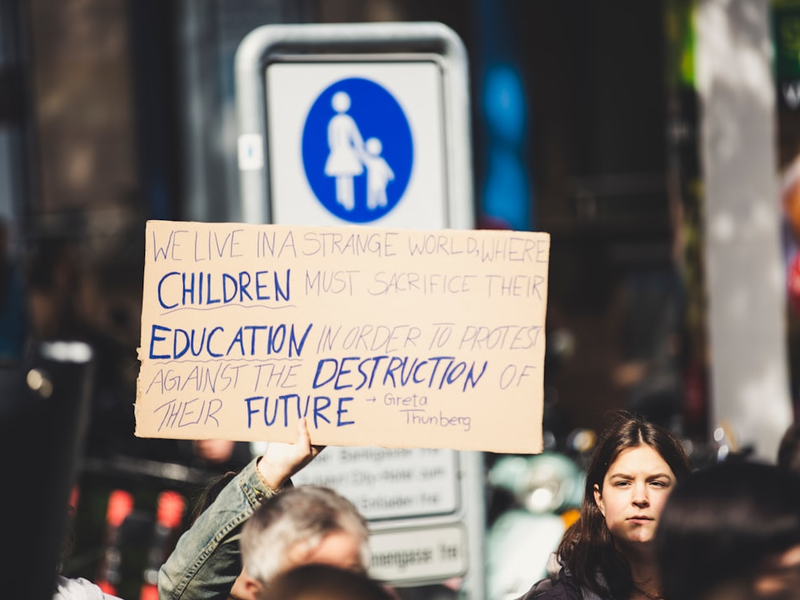
Photo by Markus Spiske on Unsplash
As the country approaches its 250th anniversary, California’s civics teachers are finding themselves in an increasingly complicated position. While state leaders push to strengthen democracy education in schools, competing narratives about what it means to be American are making teachers’ jobs significantly harder.
The California State Board of Education recently moved to add civics to the California School Dashboard, the main accountability tool for public K-12 schools. The goal is straightforward: get more students excited about government classes, build a deeper understanding of the Constitution, and encourage them to actually participate in their communities. The state is also promoting a bunch of civics activities tied to America’s 250th anniversary and California’s 175th year as a state, hoping to inspire the next generation of voters and maybe even future politicians.
This push toward civics education is long overdue. For decades, civics got sidelined in California schools thanks to the intense focus on standardized tests in reading and math. Even though it’s woven into the state’s curriculum framework, civics isn’t tested and is only required for one semester senior year. Some schools have amazing programs, but plenty don’t.
The real problem is that civics education has become a political battleground. At the federal level, the Trump administration has steered funding toward right-leaning groups while cutting support for established organizations it deemed “divisive”. The U.S. Department of Education even convened about 50 conservative groups to develop “patriotic” ways to commemorate the country’s anniversary, groups that want schools to downplay slavery and racism in American history. Meanwhile, Congress created a nonpartisan organization called America250 that takes a more balanced approach.
California created its own website and lesson plan with the 175 Years of California Dreaming initiative, offering a state-specific perspective. But for teachers, all these competing frameworks just create confusion and stress.
Teachers across California are handling this chaos by basically ignoring the America 250 drama and sticking to what they’ve always taught: why the Constitution matters, how to think critically, why voting is important, and how to get involved locally. At Cypress High School in Anaheim, government teacher Teresa Shimogawa has students tackle real community problems and present solutions at a Social Justice Day event. At River City High School in West Sacramento, teacher Amber Bradley keeps her classroom nonpartisan so students feel comfortable sharing their views without fear.
The students themselves are clear about what they want: a space where they can ask questions about current events, express opinions freely, and learn about their actual rights and how the legal system works. Nikita Artemov, a senior at Futures High School who immigrated from Russia, emphasized the importance of hearing diverse perspectives in class discussions.
For civics advocates like Michael Matsuda, former superintendent of Anaheim Union High School District, the stakes have never been higher. “The Constitution is being challenged almost every day”, Matsuda said. Democracy isn’t something that just happens, it has to be actively taught and protected. That’s never been more important than right now.
AUTHOR: cgp
SOURCE: Local News Matters