San Jose Confronts the Dark Side of a Labor Icon's Legacy
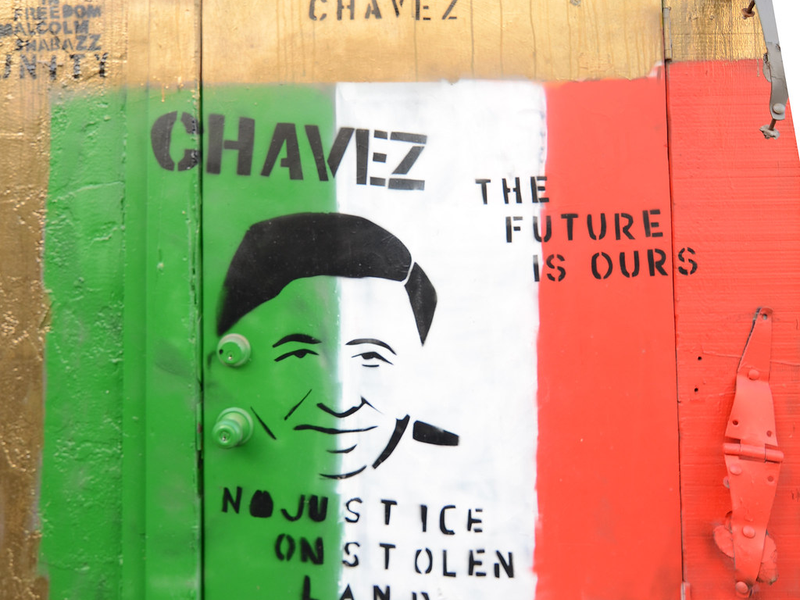
Photo by Franco Folini | License
San Jose is grappling with a reckoning that hits way too close to home. Allegations have surfaced that Cesar Chavez, the legendary farmworker rights activist who called San Jose home, sexually abused women and children , including Dolores Huerta, the co-founder of the United Farm Workers who stood beside him throughout the movement.
Huerta, now nearly 96 years old, broke her silence publicly, revealing that she kept the secret for six decades because she believed exposing it would damage the farmworker movement she devoted her entire life to fighting for. She described being manipulated and pressured into sexual encounters with Chavez in the 1960s, and being trapped in situations where she felt unable to refuse the man she admired as her boss and movement leader.
For a city that has long celebrated Chavez’s contributions , naming a downtown plaza after him, hosting annual commemorative breakfasts, and transforming his childhood home into a community center , these allegations represent what community leaders are calling a deeply painful moment. The city is now wrestling with how to honor the legacy of the farmworker movement without celebrating the man at its center.
Local organizations and elected officials are responding swiftly. The Center for Employment Training canceled the 25th annual Cesar E. Chavez Commemorative Breakfast, stating they cannot in good conscience celebrate given the allegations. Mayor Matt Mahan announced the city is canceling Cesar Chavez Day events and will review all locations and monuments bearing his name.
Councilmembers are proposing ways forward that center survivors and the broader movement. Council President Anthony Tordillos said he supports renaming Plaza de Cesar Chavez downtown, while District 5 Councilmember Peter Ortiz emphasized that any future recognition should uplift the entire farmworker movement rather than celebrate an individual. County Supervisor Sylvia Arenas called for shifting focus to Huerta and the women leaders whose contributions often went unrecognized.
The Sí Se Puede Collective, representing organizations deeply rooted in East San Jose where Chavez lived, captured the emotional complexity many residents are experiencing. “This is our neighborhood. This is where Cesar Chavez once lived”, they wrote, describing the pain of grappling with both the history that shaped their community and the harm that has now emerged.
Chavez’s family released a statement expressing devastation over the allegations and committing to the farmworker movement and broader social justice causes. They acknowledged the courage of survivors coming forward.
What’s becoming clear is that San Jose is choosing to separate the messenger from the message. The farmworker movement’s impact on securing rights for agricultural workers remains significant and worth honoring , but the city is working to ensure that recognition doesn’t revictimize survivors or shield perpetrators from accountability.
AUTHOR: cgp
SOURCE: Local News Matters