Silicon Valley's Farmland Just Got Some Real Protection. And It Matters
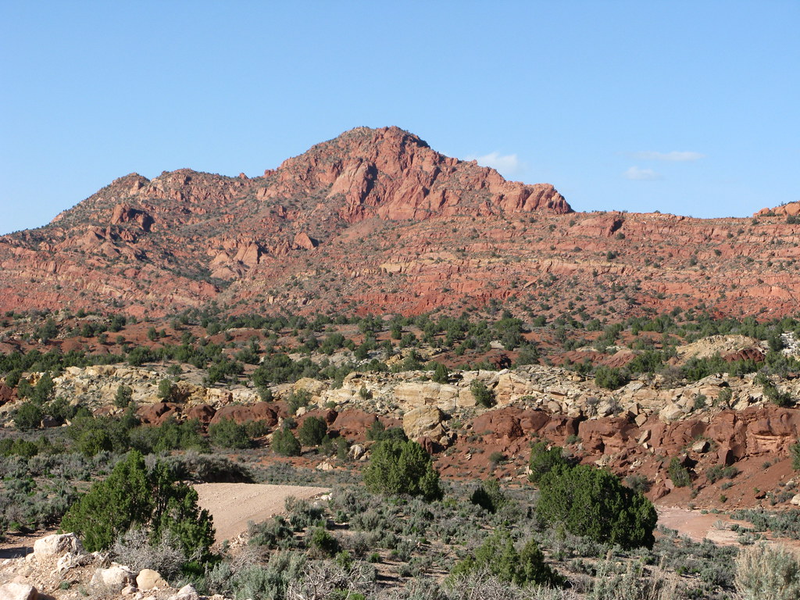
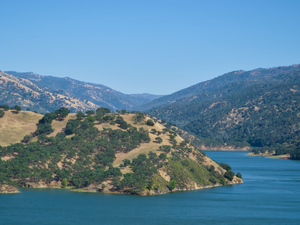
Photo by Al_HikesAZ | License
In a major win for Bay Area environmentalists and farming advocates, a Palo Alto-based nonprofit just dropped $5.3 million to save 71 acres of actual working farmland in San Jose’s Coyote Valley from becoming yet another tech campus or industrial development.
The Peninsula Open Space Trust (POST) purchased the property from the O’Connell family, who’ve owned it since the 1950s. Right now, the land grows bell peppers, corn, lettuce, and pumpkins for the beloved Spina Farms Pumpkin Patch, you know, that Halloween destination where Bay Area families actually go to do stuff outside. The land will now be transferred to the Santa Clara Valley Open Space Authority and continue being farmed by B&T Farms, the current tenant.
“We are thrilled to preserve productive farmland that has been family owned for decades, maintaining a small piece of the Valley of Heart’s Delight in perpetuity”, said Gordon Clark, president of POST. Translation: we saved actual agriculture from being paved over. Again.
This might seem like a random real estate transaction, but it’s part of something much bigger. Over the past decade, POST and public agencies including San Jose have spent more than $120 million protecting thousands of acres in Coyote Valley. The goal is to keep it functioning as a wildlife corridor, farming region, and natural buffer between San Jose and Morgan Hill. For context, this is the same area that Apple and Cisco both tried to develop as major tech headquarters in the 1980s and 90s, both proposals got crushed by environmental groups and farming advocates.
Last month alone, POST paid $24.3 million for the 1,921-acre Mead Ranch, another sprawling property that’s now protected. Combined with ongoing purchases, these moves are creating what experts are calling an “emerging mosaic” of parks and protected farmland on San Jose’s southern edges.
But here’s why this actually matters beyond just preserving some pretty views: biologists say mountain lions, deer, and other wildlife need the ability to move freely between the Santa Cruz Mountains, the Diablo Range, and the Gabilan Range. Without connected corridors, animal populations lose genetic diversity and become less healthy. State and local agencies are now studying plans to build wildlife overcrossings and undercrossings to help animals navigate Highway 101, Monterey Road, and local rail corridors.
The newly protected land, nicknamed “Coyote Fields”, will also help with flood management during heavy winter storms, Coyote Creek’s floodwaters can be diverted here instead of overwhelming urban areas downstream.
Since 1977, POST has protected over 98,000 acres across Santa Clara and San Mateo counties. Funded by private donations from major foundations and tech wealth, the organization has also spent $63 million over the past two years buying Sargent Ranch, a 6,500-acre property south of Gilroy that developers had proposed turning into a casino, quarry, and other projects since the 1990s.
In a region where “open space” often means parking lots and office parks, these preservation efforts are genuinely significant.
AUTHOR: kg
SOURCE: The Mercury News