Gene Editing Just Cured a Disease That's Plagued Millions. And It Might Change Medicine Forever
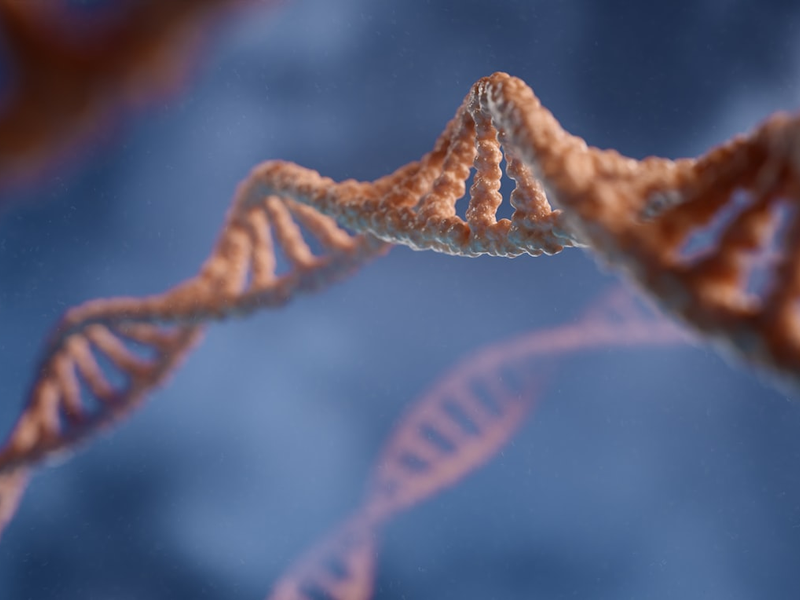
Photo by digitale.de on Unsplash
Remember when CRISPR gene editing felt like pure science fiction? Well, buckle up because it’s officially moving into the real world in ways that could seriously transform how we treat genetic diseases.
Researchers in China just published results from a clinical trial showing that an improved gene-editing system successfully treated β-Thalassaemia, a blood disorder that requires patients to get regular blood transfusions just to survive. This is huge because it represents the second major breakthrough using gene editing to treat blood diseases, the FDA approved the first CRISPR therapy for sickle-cell anemia a couple years ago.
Here’s what makes this breakthrough different: the original CRISPR system, while revolutionary, has some pretty significant limitations. It makes cuts in DNA that can cause unpredictable damage, and sometimes it accidentally edits the wrong parts of your genome. Scientists have been working for years to develop more precise editing tools, and this new system is a major step forward.
Instead of making messy double-stranded breaks like traditional CRISPR, this new approach uses a protein that chemically modifies individual DNA bases with laser precision. The system is designed so that the mutation-generating machinery only activates when it’s targeted to exactly the right spot in your genome. As a result, researchers saw zero off-target edits, meaning no accidental damage happening elsewhere in the DNA.
The trade-off? The efficiency is lower, at around 30 percent compared to some competing systems. But honestly, perfect targeting beats higher numbers if it means avoiding random mutations that could cause bigger problems down the road.
What’s clever about treating β-Thalassaemia specifically is that researchers didn’t try to fix every possible mutation that causes the disease. Instead, they reactivated the fetal version of a hemoglobin gene that normally gets turned off in adults. By disabling the protein that keeps this gene shut down, the patients’ bodies could once again produce this oxygen-grabbing hemoglobin.
The trial involved only five patients, so it’s still early days. But the results were undeniably impressive: all five patients went at least six months without needing a blood transfusion, a dramatic improvement in quality of life. The procedure did involve chemotherapy to wipe out their existing stem cells, which comes with side effects, but all patients stayed enrolled in the trial for at least a year.
The biggest obstacle right now? Cost. The cell culture, DNA sequencing, and medical procedures add up fast. But here’s the thing: managing β-Thalassaemia for a lifetime already requires constant medical intervention and transfusions. Long-term, this treatment could actually be worth it.
What we’re seeing is gene editing finally maturing from “promising technology” into “actual medical tool”. There are still limits to what we can do safely, but the momentum is real. This isn’t the future of medicine anymore, it’s happening right now.
AUTHOR: mei
SOURCE: Ars Technica