Intel's Quiet Bet on Chip Packaging Could Be Worth Billions. and It Might Actually Work
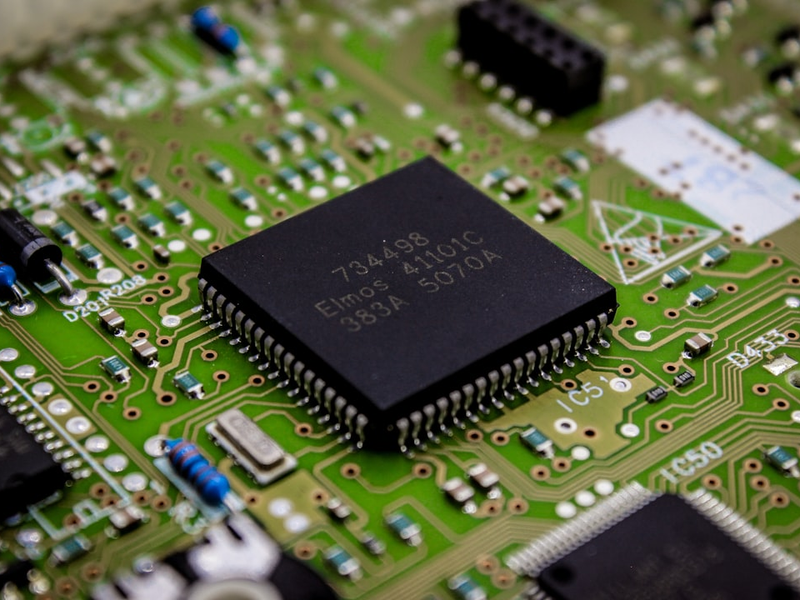
Photo by Bermix Studio on Unsplash
Intel is making a calculated gamble that could reshape how the semiconductor industry operates, and honestly, it’s kind of genius. While everyone’s obsessing over the next generation of AI chips, the company is quietly building out an advanced chip packaging business that executives believe could generate well over $1 billion in revenue annually. We’re talking about a business that barely existed a decade ago but is now positioned to become Intel’s ticket back to relevance.
Here’s the deal: chip packaging is exactly what it sounds like, taking multiple smaller components, or chiplets, and combining them into a single, custom chip. It’s the infrastructure that holds everything together, literally. Back in January, Intel’s CFO Dave Zinsner revealed that the company is “close to closing some deals that are in the billions of dollars per year” for packaging services. Multiple sources indicate that tech giants like Google and Amazon, which both design their own custom chips, are in ongoing talks with Intel for these services. Neither company confirmed this, but the fact that Intel is even having these conversations is huge.
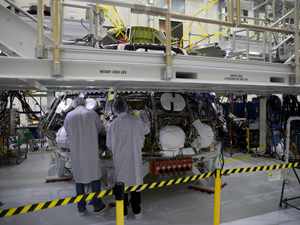
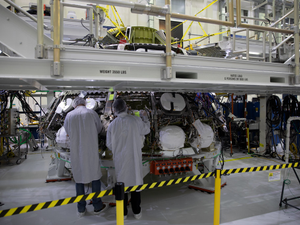
The resurrected Intel facility in Rio Rancho, New Mexico, which literally sat dormant for years with raccoons and a badger living inside, is now central to this strategy. Intel poured billions into restarting Fab 9 and Fab 11X, including $500 million from the federal CHIPS Act. Today, these facilities are critical for mass-producing Intel’s latest packaging technology called EMIB-T, which promises better power efficiency and signal integrity compared to competitors like Taiwan Semiconductor Manufacturing Corporation (TSMC).
What makes this particularly interesting is how AI is forcing the entire tech industry to reconsider what matters. When companies are building massive AI systems that demand serious computing power, packaging, how efficiently you can stack and connect components, becomes just as important as the chips themselves. Intel’s head of Foundry operations, Naga Chandrasekaran, put it plainly: “Even more so than the silicon itself, chip packaging is going to transform how this AI revolution comes to fruition over the next decade”.
The real test, though, is execution. Intel’s strategy relies on convincing major customers that the company can actually deliver at scale. There’s skepticism out there. Some worry that announcing a partnership with Intel might upset TSMC, which currently dominates the market. Others want to see whether Intel can follow through on its expansion promises before committing. But there’s a clear signal the market should watch: if Intel starts significantly increasing its capital spending, that’s when you’ll know the customers have actually signed on. As Chandrasekaran said, when that spending jumps, “the street will see it”.
For a company that’s been struggling for years, this could be the wedge Intel needs to grab a bigger slice of the AI boom, all by focusing on something most people have never heard of.
AUTHOR: cgp
SOURCE: Wired