NASA's Artemis II Just Launched and It's a Historic Moment for Space Exploration
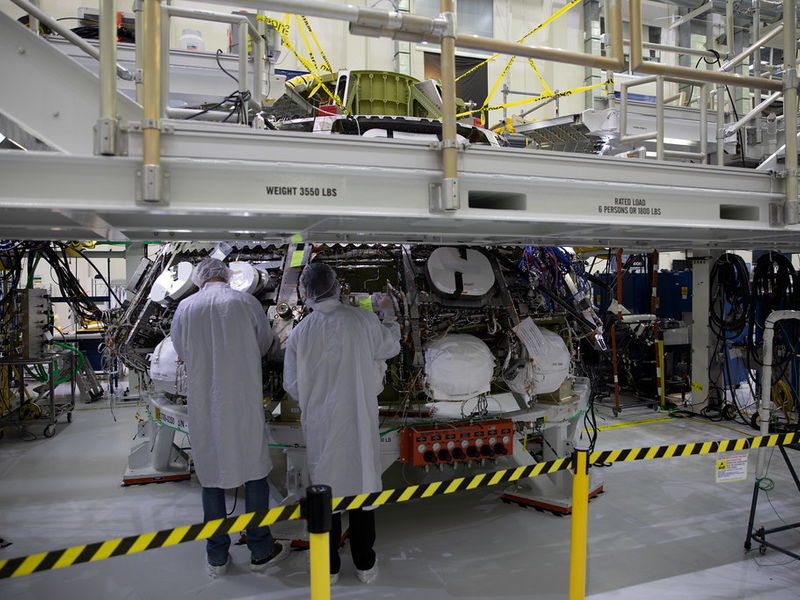
Photo by NASAKennedy | License
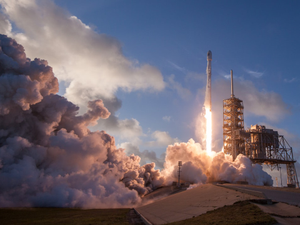
After 53 years since humans last traveled to the Moon, NASA’s Artemis II mission successfully launched on April 3rd, 2026, at 6:36 pm from Cape Canaveral. The SLS rocket carried four astronauts aboard the Orion spacecraft, marking a major milestone in humanity’s return to lunar exploration. What makes this mission especially significant is that it includes the first woman and the first Black person on a crewed mission to lunar orbit, a long-overdue representation in the space program.
The 10-day mission won’t involve a lunar landing just yet (that’s coming with Artemis IV), but instead will take the crew on a close approach to the Moon’s far side. The Orion capsule will orbit at altitudes between 6,000 and 9,000 kilometers above the lunar surface before returning to Earth. The main goal here is to prove that NASA has the technological chops to safely send humans to the Moon and bring them back. Think of it as a dress rehearsal before the real deal.
During the journey, the crew will spend the first two days in Earth orbit testing onboard systems. By day five or six, they’ll enter the Moon’s gravitational sphere of influence and get into lunar orbit. Here’s where things get intense: when the spacecraft passes behind the Moon, the crew will lose radio contact with Earth for about 50 minutes. While out of touch, they’ll capture critical images and data using technology that makes what Apollo astronauts had look ancient.
The mission’s five key objectives include keeping the crew safe throughout the flight, operating essential systems for future manned lunar campaigns, collecting flight data for upcoming missions, activating emergency systems, and validating critical subsystems. Every detail matters because this mission will inform how NASA approaches lunar exploration for years to come.
But let’s be real, this mission isn’t just about science. There’s a competitive edge to it. China is rapidly advancing its own lunar program, planning to send multiple Chang’e robots and a lunar lander before 2030. The first nation to establish a lunar base with operational safety zones will have major advantages, especially regarding access to potential resource deposits in the Moon’s permanently dark craters at the South Pole. While the Moon technically belongs to no one under the Outer Space Treaty, being first means claiming the best real estate.
After Artemis II wraps up, NASA will adjust its roadmap. Artemis III will focus on testing critical systems like spacesuits and transport modules in low Earth orbit, while the actual lunar landing will move to Artemis IV, still without a confirmed date. The program’s recent Gateway station cancellation forced a major redesign, but NASA remains committed to establishing the first lunar bases, a project spanning dozens of missions and nearly $10 billion in investment.
The launch went off without a hitch, hitting its scheduled window perfectly. If weather or technical issues had caused delays, NASA had a five-day window for another attempt. Now the real journey begins.
AUTHOR: mb
SOURCE: Wired