Tech Companies Are Blaming AI for Layoffs. But Is That Actually What's Happening?
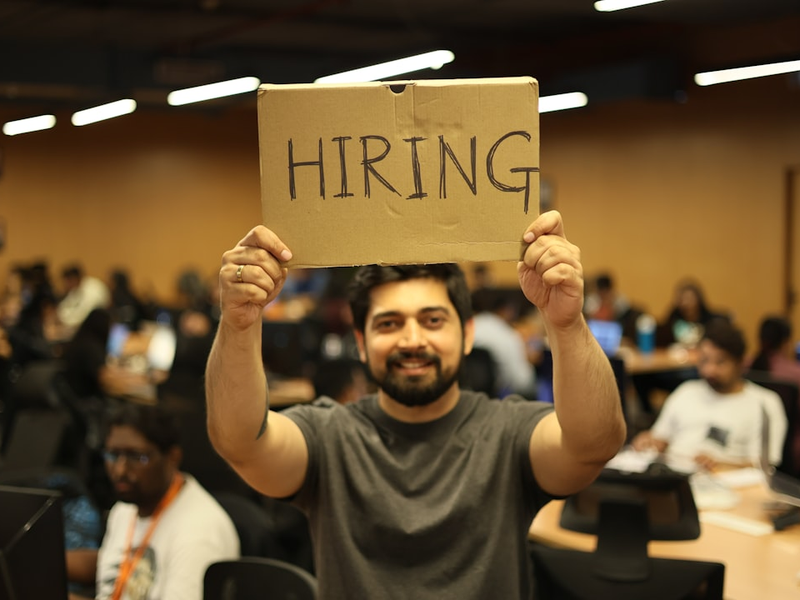
Photo by Hitesh Choudhary on Unsplash
Silicon Valley is obsessed with one excuse right now: AI made us do it. When major tech companies announce massive layoffs, they’re quick to point to artificial intelligence as the reason. But according to some of the industry’s biggest names, that narrative might be getting way too much credit, or maybe it’s just a convenient scapegoat.
Investor Marc Andreessen threw down the gauntlet this week, calling AI the “silver-bullet excuse” for layoffs. His take? Most large companies are just overstaffed from the pandemic boom, with some bloated by as much as 75% compared to their actual needs. Companies like Oracle, Atlassian, and Block have all announced significant workforce cuts while investing heavily in AI infrastructure. Block’s CEO Jack Dorsey even predicted that “the majority of companies” would do the same within a year. It’s the perfect storm: companies need to trim fat anyway, and AI gives them a trendy reason to do it.
But here’s where things get complicated. A survey from Duke University and the Federal Reserve Banks of Atlanta and Richmond asked roughly 750 senior finance leaders about AI’s actual impact on their businesses. The results? AI’s job-killing power in 2025 was basically negligible. However, the researchers project that AI could reduce U.S. employment by about 0.4%, or roughly 500,000 jobs total, when weighted across the broader economy. That’s not half a million people getting fired tomorrow, but rather 500,000 fewer jobs than there would be without AI, spread across hiring freezes and layoffs combined.
John Graham, one of the study’s authors and a finance professor at Duke’s Fuqua School of Business, points out that 500,000 jobs broken down monthly amounts to about 42,000 jobs per month. That’s genuinely significant when you consider the U.S. only added an average of less than 10,000 jobs per month last year.
The tricky part? It’s nearly impossible to know what’s actually happening right now. Companies making plans for the rest of 2026 won’t implement those decisions overnight. Plus, there are tons of other economic factors, interest rate changes, tariffs, geopolitical conflicts, all affecting employment simultaneously.
Which workers are actually at risk? The survey suggests that companies expect to increase skilled technical positions like engineers and data scientists while cutting routine clerical work like data entry. That contradicts fears that AI will eliminate software engineering jobs, at least in the near term.
Salesforce CEO Marc Benioff acknowledged this week that companies are cutting workers for multiple reasons that all get lumped together under “AI-driven layoffs”. Some are cost-cutting, others have data center spending commitments, and some are genuinely rebalancing their workforce. The problem is, AI provides the perfect cover for any of these decisions.
The reality is we won’t really know AI’s true impact on employment until it’s already happened. By then, we’ll look back and realize the warning signs were always there.
AUTHOR: mb
SOURCE: SF Standard