The Filipino Labor Leaders Who Actually Built the UFW. And Why History Forgot Them
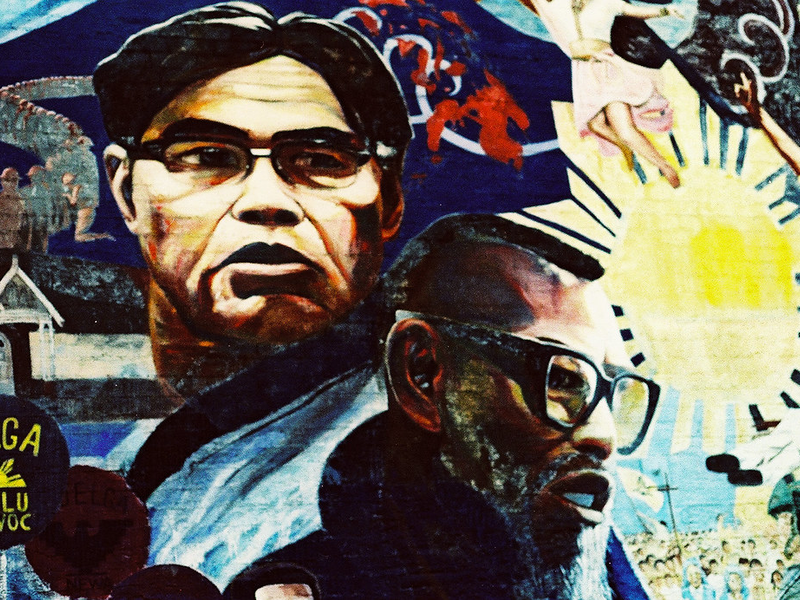
For decades, César Chávez has been the face of the farmworker movement, but historians are finally telling a story that’s been buried for way too long: without Larry Itliong and Filipino laborers, there might not be a United Farm Workers union at all.
The narrative shift comes at a critical moment. After a New York Times investigation exposed Chávez’s decades of sexual abuse against women and girls, including renowned labor leader Dolores Huerta, scholars and activists are pushing to reclaim the real history of the 1960s labor movement. Robyn Magalit Rodriguez, former UC Davis Asian American Studies chairwoman and founder of the Bulosan Center for Filipino Studies, has spent years archiving this erased history. “It’s been hard to raise any critique of César Chávez”, Rodriguez told us. “As a Filipino scholar, I’ve been reticent. It always felt like ‘do not touch César Chávez’”.
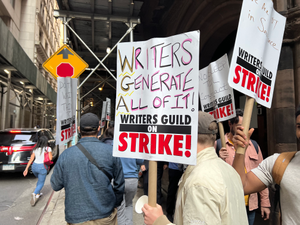
Here’s what actually happened: Filipino farmworkers, facing exploitation and racial discrimination from growers who deliberately kept Filipino and Mexican workers in separate camps, launched a strike on September 8, 1965, in Delano. Itliong, a cigar-smoking labor organizer known as “Seven Fingers” after losing three fingers in a work accident, led over 1,000 workers onto the picket lines. These weren’t rookies, Filipinos had been organizing since the 1920s, participating in the violent 1934 Salinas lettuce strike decades before the Bracero Program brought Mexican workers to California.
But here’s the part they don’t teach in school: Chávez waited eight days before joining them. According to scholar Rodel Rodis, who studied firsthand accounts from farmworkers in the mid-1970s, Chávez wanted to wait three years before striking. Itliong pushed back hard. “If we go on strike and you’re not ready to go for three years, I guarantee if you’re ready to go on strike, we’re going to scab out your strike”, Itliong reportedly said. That ultimatum created the UFW.
The five-year Delano grape strike became the longest labor action in U.S. history at that time, but Itliong’s crucial role got buried under Chávez’s mythologized legacy. “There would be no UFW without Larry Itliong”, Rodriguez said. “You can’t deny decades of organizing in the fields already”.
What makes this reckoning crucial now isn’t just setting the historical record straight. As cities like San Jose rename Chávez landmarks and remove his statue, this is our chance to finally acknowledge the Filipino farmworkers who were there first, organizing longer, and pushing harder. It’s time to stop silencing their contributions and give them the credit they earned through decades of fighting for dignity in California’s fields.
AUTHOR: mei
SOURCE: The Mercury News