Apple at 50: How a Garage Startup Became a $3.6 Trillion World-Changer
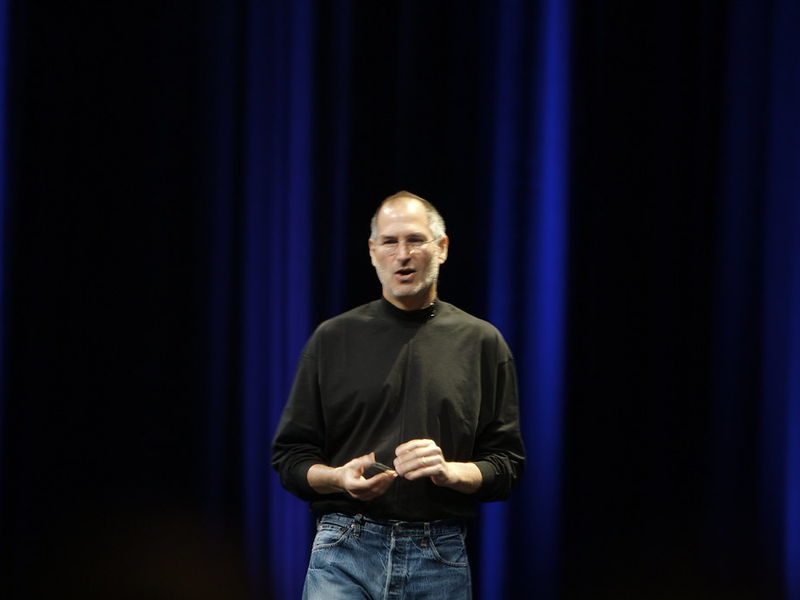
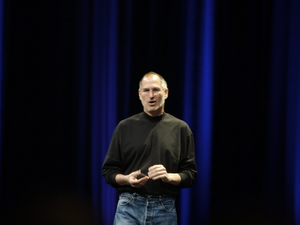
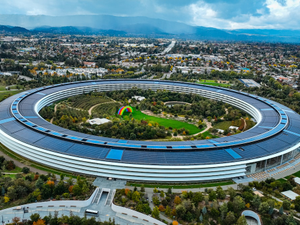
Apple just hit its golden anniversary, and honestly, it’s wild to think about how far the company has come since Steve Jobs and Steve Wozniak started it in a garage on April 1, 1976. Today, Apple is a $3.6 trillion tech giant that’s fundamentally shaped how we work, play, and stay connected. The company celebrated the milestone with a series of events worldwide, including a star-studded finale at Apple Park in Cupertino featuring Paul McCartney performing for employees and invited guests.
CEO Tim Cook reflected on the achievement, writing that while Apple focuses on building tomorrow rather than dwelling on the past, the company wanted to thank the millions of people who’ve made it what it is today. And honestly, there’s a lot to be grateful for. Apple didn’t just create products, it created entire categories that didn’t exist before.
The journey started with the Apple II in 1977, which actually made personal computing accessible to regular people instead of just hobbyists tinkering in their garages. Unlike earlier attempts, it came as a complete package and transformed how students learned technology in the 1980s. Then came the iconic 1984 Macintosh commercial during Super Bowl XVIII, which painted Apple as the rebellious alternative to corporate drones. The ad became so legendary that it got inducted into the Clio Hall of Fame, even though the Macintosh itself never even appeared on screen.
When Apple needed a comeback in 1998, designer Jony Ive delivered the iMac, a colorful, translucent computer that looked like nothing else on the market. People thought it was weird at first, but the design-forward approach sold 6.5 million units across various colors. It proved what Apple would continue to demonstrate: design matters more than specs to most people.
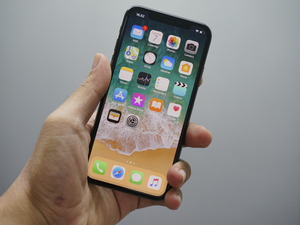
The iPod in 2001 was another game-changer. Steve Wozniak called it Jobs’ Apple II moment, the product that instantly doubled Apple’s sales, revenues, and profits. Then came the iPhone in 2007, which completely revolutionized mobile technology and made BlackBerrys and flip phones obsolete almost overnight.
But Apple’s influence extends beyond just products. The Apple Store, which debuted in 2001, transformed the retail experience. With their sleek glass and light wood design, these stores became destination shopping spots where people lined up for hours to get new releases. The Genius Bar turned tech support into something that actually felt like a salon experience rather than a frustrating hassle.
The through-line connecting all these innovations? Former CEO John Sculley revealed Jobs’ guiding principle during an Apple 50th anniversary event: “no compromises”. While other companies cut corners, Apple refused to. That philosophy has remained core to the company’s identity for five decades and counting.
So here’s to fifty years of Apple showing us what’s possible when design meets innovation, and proving that being different isn’t just about thinking different, it’s about building different.
AUTHOR: mb
SOURCE: The Mercury News