Good News: New DHS Chief Just Killed a Policy That Was Strangling FEMA Disaster Relief
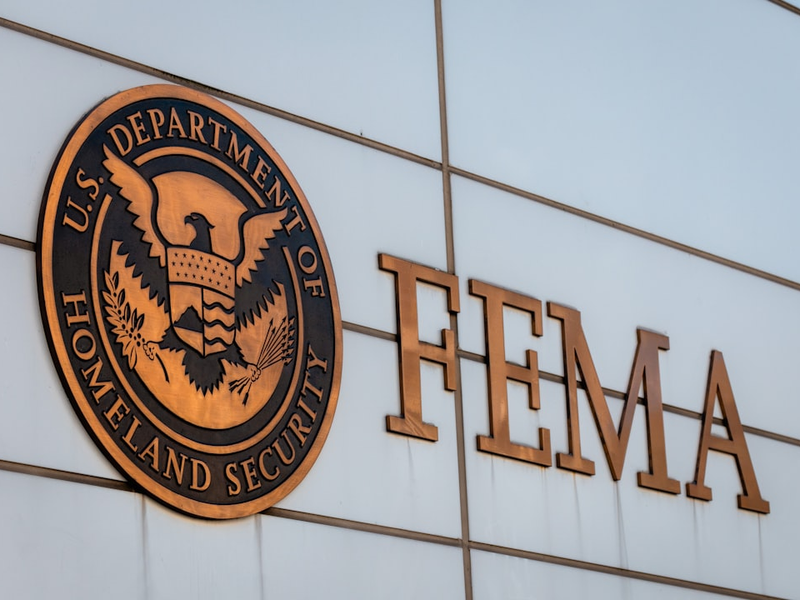
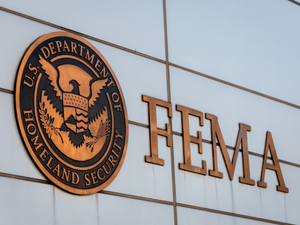
Photo by Andy Feliciotti on Unsplash
Homeland Security Secretary Markwayne Mullin just made a move that’s got disaster relief advocates breathing a sigh of relief. On Wednesday, he rescinded a bureaucratic nightmare that’s been crippling the Federal Emergency Management Agency’s ability to respond quickly to disasters.
Here’s the deal: Mullin’s predecessor, Kristi Noem, implemented a rule requiring any DHS expenditure over $100,000 to get personal approval from her office. Sounds reasonable on the surface, right? Wrong. In practice, it created a massive bottleneck that slowed down FEMA’s disaster response and recovery operations at the exact moments when speed matters most.
When hurricanes hit, floods devastate communities, or fires rage across states, every hour counts. People need emergency supplies, temporary housing, and restoration support yesterday, not after waiting for approval from higher-ups in Washington. The rule meant that critical FEMA operations, from deploying resources to paying contractors rebuilding infrastructure, got stuck in approval limbo while people suffered.
Multin’s decision comes just a week after he was sworn in following Noem’s firing by President Donald Trump in March. It’s his first major policy change since taking over the agency, and it signals that the new leadership is listening to the complaints that have been piling up.
The criticism of Noem’s rule was widespread and loud. Emergency management experts, disaster relief organizations, and even members of Congress from both sides pointed out that the approval process was hampering FEMA’s core mission. When you’re trying to coordinate relief efforts across multiple states, the last thing you need is a single person’s signature holding up your budget.
While Mullin and his predecessor have different approaches to running DHS, this particular reversal shows that some policies are just objectively bad for the people they’re supposed to serve. FEMA’s job is literally to help Americans when disaster strikes. Anything that gets in the way of that mission needs to go.
Of course, this doesn’t mean oversight disappears entirely. There will still be financial controls and accountability measures in place. But removing the personal approval requirement means FEMA administrators can make critical decisions faster, deploy resources more efficiently, and respond to crises the way the agency is designed to do.
For communities dealing with natural disasters, this change could genuinely make a difference. When the next emergency hits, and statistically speaking, it will, FEMA will be able to act without unnecessary red tape slowing things down. That’s the kind of government change we can actually get behind.
AUTHOR: mls
SOURCE: AP News