California's Push to Make Big Oil Pay Up During the Energy Crisis
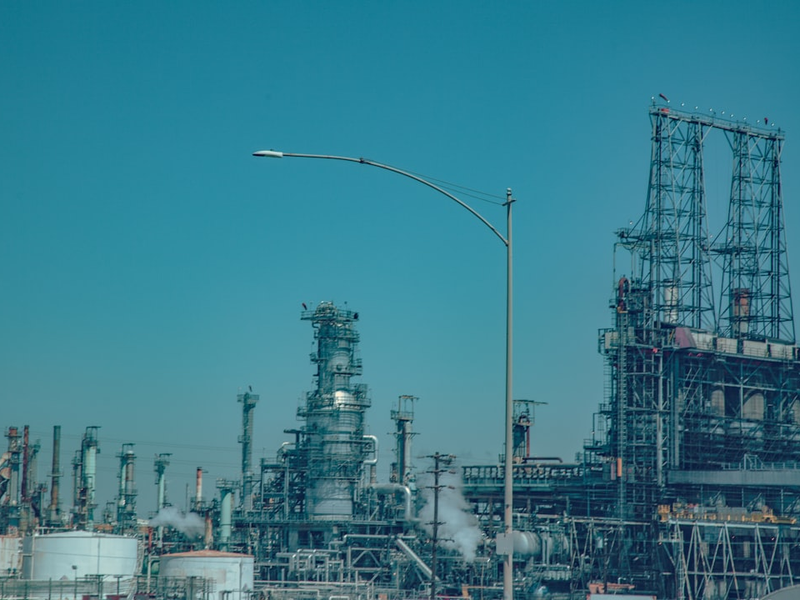
As gas prices skyrocket to nearly $6 a gallon across California, thanks to the war in Iran and supply chain disruptions, environmental groups and labor advocates are throwing their weight behind three bills that could finally hold oil companies accountable for their mess. It’s a moment when refiners are making record profits, and activists argue the timing couldn’t be better to demand they clean up their act.
The bills target three major problems: displaced workers, hidden cleanup costs, and companies dodging their environmental obligations. Assembly Bill 2157 would make permanent a workforce development program that helps oil and gas workers transition to new jobs with comparable wages. The Displaced Oil and Gas Workers Fund, created in 2022 with $36.5 million in funding, was originally set to expire in 2027, but the bill would eliminate that sunset date and keep supporting workers through the transition.
This matters because refinery closures aren’t theoretical. In 2020 and 2021, when Marathon Petroleum shut down in Martinez and the Santa Maria Refinery closed, over 600 full-time workers lost their jobs, with another 250 to 2,500 contract workers affected. This January, Valero announced it would idle its Benicia refinery by April, putting another 400-plus workers on the chopping block. “These are skilled workers, operators and tradespeople who are essential to safely shutdown and remediate facilities”, said Marc Victoria from The Climate Center. “Too many are left underemployed, struggling, or pushed out of the workforce entirely”.
The other two bills, Senate Bill 1259 and Assembly Bill 2461, go after the real problem: oil companies dumping their cleanup costs on taxpayers. Decommissioning and remediating wells statewide is estimated to cost $21.5 billion, yet many companies just abandon their wells and disappear. SB 1259, called the Refinery Transparency Act, would require refineries to disclose their estimated cleanup costs and timelines while they’re still operating. AB 2461 takes it further by requiring companies to provide financial assurance before or while they operate, ensuring taxpayers don’t foot the bill.
“We have no real insight into how much it will cost or how long it will take to decommission and clean up these large-scale facilities”, said Katherine Chu from Asian Pacific Environmental Network Action. “Sharing this information is all that SB 1259 asks for”.
Here’s where it gets infuriating: refiners are currently making a killing. Jamie Court from Consumer Watchdog reported that refining margins in March jumped to $1.50 or more per gallon, that’s the profit refiners pocket per gallon sold. Meanwhile, crude prices went up 60 cents due to the war, but refining margins jumped a dollar. “This is a pig-at-the-trough moment for the refiners”, Court said.
None of the three bills have reached a final floor vote yet, but with the legislative session ending in August, there’s still time to push them through. These aren’t radical demands, just basic accountability.
AUTHOR: cgp
SOURCE: Local News Matters