California Just Hit a Major Win in the Fight Against Fentanyl. Here's What You Need to Know
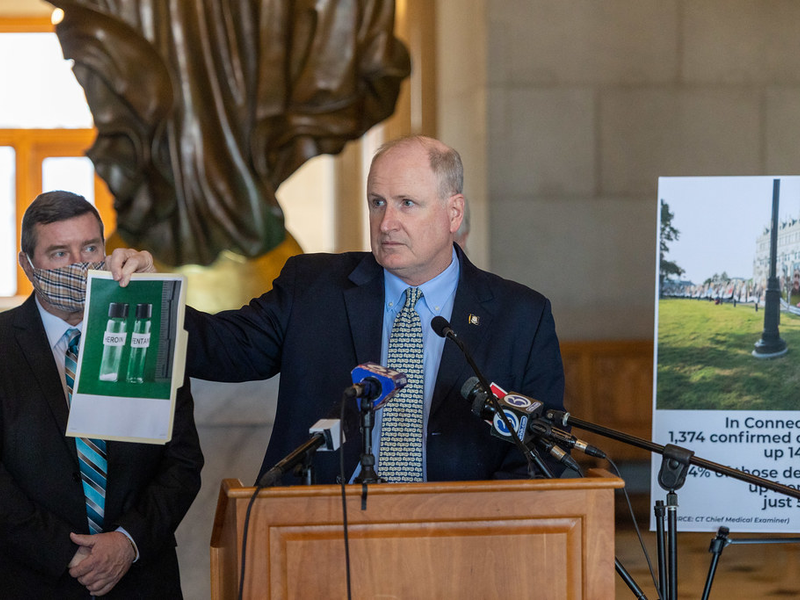
California has reached a significant milestone in its battle against the fentanyl crisis: 54 million lethal fentanyl pills seized since 2021. That’s 37,000 pounds of fentanyl worth over $513 million that never made it to our communities. Governor Newsom’s expanded border drug-interdiction strategy is showing real results, and it’s worth understanding how this is actually working.
Back in 2021, Newsom launched a major push to redirect the California National Guard toward stopping fentanyl traffickers at ports of entry. The state invested $30 million into what’s called the Counterdrug Task Force, focusing on intelligence-driven operations where the drugs actually cross the border. This isn’t about flashy military deployments, it’s about coordinating with federal, state, and local partners to target transnational criminal organizations at their entry points.
The strategy goes beyond just border enforcement. The California Highway Patrol has been running targeted crime suppression operations across San Diego, the Inland Empire, Los Angeles, the Central Valley, Sacramento, and the Bay Area for the past two years. These efforts have resulted in 12,645 arrests, 6,475 stolen vehicles recovered, and over 2,549 pounds of drugs confiscated. It’s a comprehensive approach that recognizes crime doesn’t exist in a vacuum.
Here’s something important: fentanyl is primarily smuggled by U.S. citizens through ports of entry, and just two milligrams can be lethal. California is attacking this crisis from every angle. The state has made naloxone more accessible and affordable through CalRx, which has helped reverse over 400,000 overdoses. There’s also opioids.ca.gov, a resource hub for prevention, treatment, and accountability.
The numbers are backing up these efforts. Recent data from the Major Cities Chiefs Association shows violent crime is down across California year-over-year. Homicides dropped 18%, robberies fell 19%, and cities like Oakland and San Francisco saw drops of 25% and 21% respectively. Compared to 2019, violent crime is down about 12% across major California cities.
It’s worth noting that these operations were temporarily disrupted when the Trump administration removed California National Guard members from their duties last year and deployed them domestically. After they were returned to state control, Governor Newsom quickly restored these critical counterdrug and emergency response operations.
California has invested $2.1 billion since 2019 in public safety initiatives, including the largest-ever investment to combat organized retail crime. In 2024, Newsom signed landmark bipartisan legislation cracking down on property crime, offering new tools to hold criminals accountable for smash-and-grabs, retail theft, and auto burglaries.
While California’s crime rate remains at near-historic lows, these ongoing efforts show a state committed to evolving its tactics as criminal strategies change. The fentanyl seizures and crime statistics demonstrate that focused, data-driven approaches to public safety actually work.
AUTHOR: rjv
SOURCE: gov.ca.gov