How a Decades-Old Republican Club Quietly Became a Master of Online Disinformation
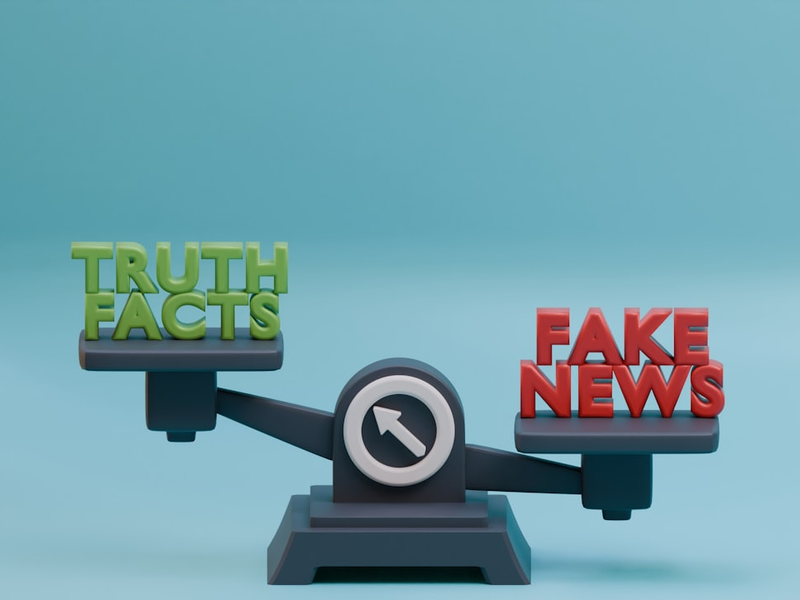
Photo by Hartono Creative Studio on Unsplash
A conservative organization with roots dating back to the 1960s is now flooding the internet with millions of dollars worth of slick-looking “local” news sites designed to push right-wing politics without being transparent about who’s actually behind the operation.
The Lincoln Club, originally established by wealthy California business leaders, has evolved from a behind-the-scenes political powerhouse into something far more ambitious: a network of fake local news operations spreading conservative messaging across the country. The group’s affiliated Lincoln Media Foundation has seen its revenue nearly quadruple from just over $400,000 in 2021 to nearly $4 million by 2024, according to IRS filings.
Here’s where it gets sketchy. The foundation has been pumping this money into creating websites with names like The Angeleno and The Keystone Courier, designed to look like legitimate local news outlets. But they’re not. Instead, they’re vehicles for pushing conservative political narratives under the false pretense of independent journalism. One particularly egregious example is the California Courier, which borrowed its name from an unrelated Armenian newspaper, a move that critics say is deliberately deceptive.
According to researchers, these sites, sometimes called “pink slime” news, rarely meet basic journalistic standards. Stories are often unattributed, funding sources are hidden, and content frequently consists of heavily slanted press releases. The foundation then uses targeted Facebook ads to push these articles to what they claim is the most influential two percent of voters in battleground states.
Democrats and political scientists are rightfully alarmed. “If you don’t think you can win an argument in a transparent debate publicly, you try to disguise the messenger as much as you can”, says Jim Miller, a labor activist and author. It’s a strategy that prioritizes manipulation over honest persuasion.
What makes this particularly concerning is the scale and sophistication. The foundation operates 27 publications across seven states and uses targeted advertising to reach millions. The Lincoln Club itself isn’t even transparent about what it’s doing, neither the club nor the foundation responded to requests for interviews about their operations.
The strategy appears to be working for them, which is exactly why it’s dangerous. As artificial intelligence becomes more sophisticated, experts worry these fake news operations will become even harder to distinguish from legitimate reporting. The combination of deceptive branding, algorithmic amplification, and AI-generated content could create an information environment where voters can’t trust what they’re reading.
While the Lincoln Media Foundation represents only a slice of the hundreds of millions spent annually on similar operations across the political spectrum, its tactics reveal a troubling shift in how political influence is being wielded in America, not through honest advocacy but through carefully constructed deception.
AUTHOR: pw
SOURCE: CalMatters