How High-Tech Fishing Gear Is Saving Marine Life (Without Tanking the Catch)
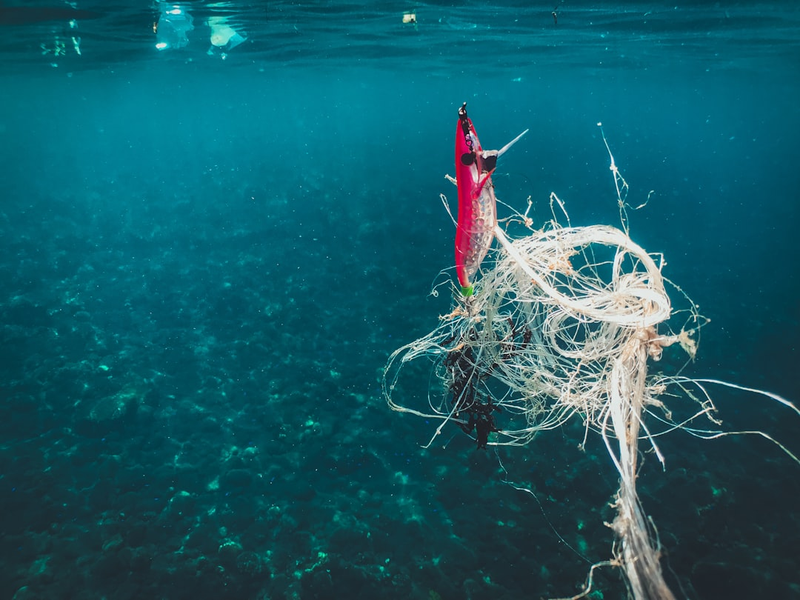
Photo by Naja Bertolt Jensen on Unsplash
Every year, fishing nets kill millions of marine animals that fishermen never intended to catch. Sea turtles, whales, dolphins, sharks, and seabirds get entangled in equipment designed to capture fish for our dinner tables. This accidental harvest, called bycatch, is a massive problem, but here’s the good news: scientists and fishermen are actually working together to fix it.
The bycatch problem has existed as long as fishing itself. “It’s a conflict that’s intrinsic to the whole idea of fishing”, explains marine scientist Nancy Knowlton from the Smithsonian’s National Museum of Natural History. “If you have something that’s designed to catch animals, you’re going to wind up, almost always, catching some things that you didn’t mean to catch”. But recent research shows that mitigation measures can make a real difference without significantly reducing the catch of target species.
One of the biggest success stories involves sea turtles, many of which are endangered. In the 1970s, shrimp fisheries in the southeastern United States were decimating turtle populations. Researchers developed turtle excluder devices that provide escape routes for turtles after they enter trawl nets. After years of refinement and regulation, these devices became 97 percent effective, and they actually save fishermen time and money too.
Yet turtles still face deadly threats from other fishing gear like gillnets and bottom longlines. Enter: LED lights. Researchers have discovered that attaching green or UV lights to gillnets deters turtles. In tests off Baja California, UV-illuminated nets reduced turtle bycatch by 40 percent. In Peru’s Sechura Bay, the reduction exceeded 60 percent. Recently, scientists designed solar-powered flashing lights that double as buoys, making them practical for fishermen to adopt. In Gulf of California tests, these lights reduced expected turtle bycatch by 63 percent while maintaining target fish catch.
Other innovations include pingers, devices that emit sounds to deter whales and dolphins. A Norwegian study found pingers reduced harbor porpoise bycatch by 94 percent. However, pingers have downsides: they can attract seals, which interpret the sound as a dinner bell. More affordable options exist too, like attaching plastic water bottles to nets. A Brazilian study found this low-tech approach effectively reduced bycatch of franciscana dolphins, a threatened river species.
Here’s the catch: many proven solutions never get widely implemented. Cost, perception that lights might reduce target fish catch, and lack of government support keep promising technologies from going mainstream. The real challenge is making sure solutions feel natural to fishermen and don’t add extra time or money to their work.
Marine sustainability scientist Lekelia Jenkins emphasizes the human side of this issue. “Emotionally, fishermen around the world are beat up and beat down”, she says. “We say, ‘You’re the problem’. Instead, fishermen should be empowered and included in developing solutions”. The good news? Everyone actually wants the same thing here, less bycatch. Making that happen requires treating fishermen as partners, not villains.
AUTHOR: mp
SOURCE: Ars Technica