Meta and YouTube Just Got Hit With a Massive Lawsuit. And It Could Change Social Media Forever
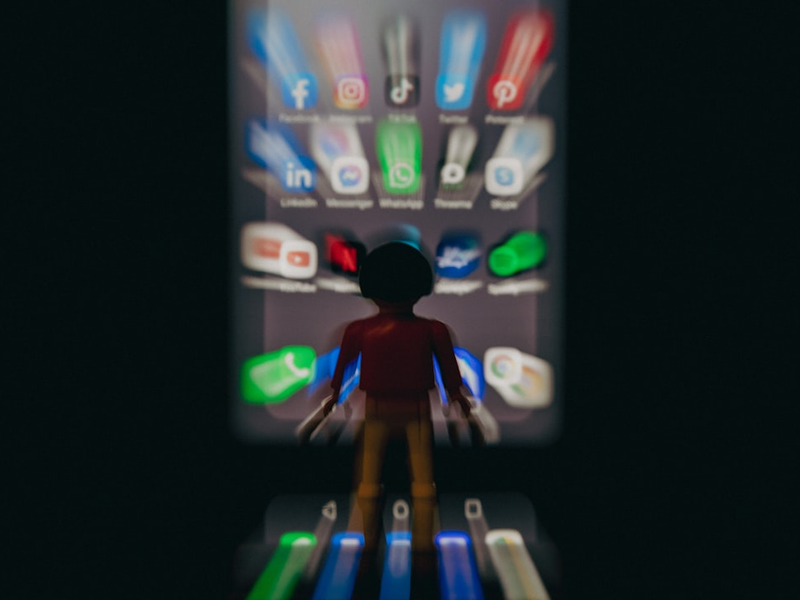
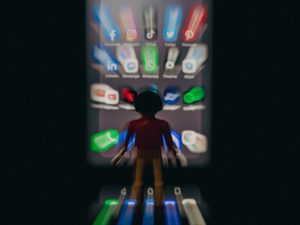
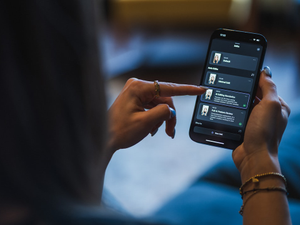
Photo by Florian Schmetz on Unsplash
In a landmark decision that’s sending shockwaves through Big Tech, a California jury found Meta and YouTube liable on all counts for intentionally designing addictive platforms that harmed a young woman’s mental health. The verdict, which came down on March 26, marks a watershed moment for the social media industry and could set off a domino effect of similar lawsuits.
The case centered on a now 20-year-old woman named Kaley who sued Meta, YouTube, Snap, and TikTok, claiming the platforms deliberately hooked her as a child and caused her to develop anxiety, body dysmorphia, and suicidal thoughts. Snap and TikTok settled before trial, but Meta and YouTube fought it out in a grueling seven-week Los Angeles Superior Court battle.
After eight days of deliberation, the jury determined that both companies were negligent in their platform design, knew their designs were dangerous, failed to warn users about the risks, and caused substantial harm. The financial hit? $3 million in compensatory damages total, plus an additional $900,000 in punitive damages for YouTube and $2.1 million for Meta. The jury found Meta bore 70% of the responsibility while YouTube carried 30%.
Kaley testified about how her addiction continues to disrupt her adult life, forcing her to sneak out of work to scroll and spending hours manipulating her appearance with filters. Meta’s defense claimed her difficult childhood, not the apps, caused her mental health struggles. But Kaley’s lawyer, Mark Lanier, argued that those vulnerabilities made it even more critical for the companies to protect her.
What makes this verdict especially significant is what came out during the trial. Internal Meta documents revealed the company knowingly allowed “beauty” filters that manipulate users’ appearances despite warnings from employees and 18 experts about potential harms. Top executives testified too, with Instagram head Adam Mosseri saying social media use could be “problematic” but not “clinically addictive”. Meanwhile, YouTube’s VP of Engineering testified that his own kids use the platform for hours daily and he thinks it’s “good” for them.
Both companies say they plan to appeal and claim they’ve implemented safety features like parental oversight tools and teen privacy restrictions. But here’s the thing: this case is just the beginning. Kaley’s verdict is the first of over 1,500 similar cases to go to trial, and hundreds more lawsuits from school districts and state attorneys general are lined up. Legal experts are already comparing this moment to the tobacco industry’s reckoning.
For parents and advocates who’ve spent years pushing for stronger social media guardrails, this decision feels like a long-overdue win. The verdict sends a clear message: tech companies can’t keep prioritizing engagement and profits over the wellbeing of young users.
AUTHOR: mp
SOURCE: CNN