One Kentucky Farmer Just Said No to $26 Million. and We're Here for It
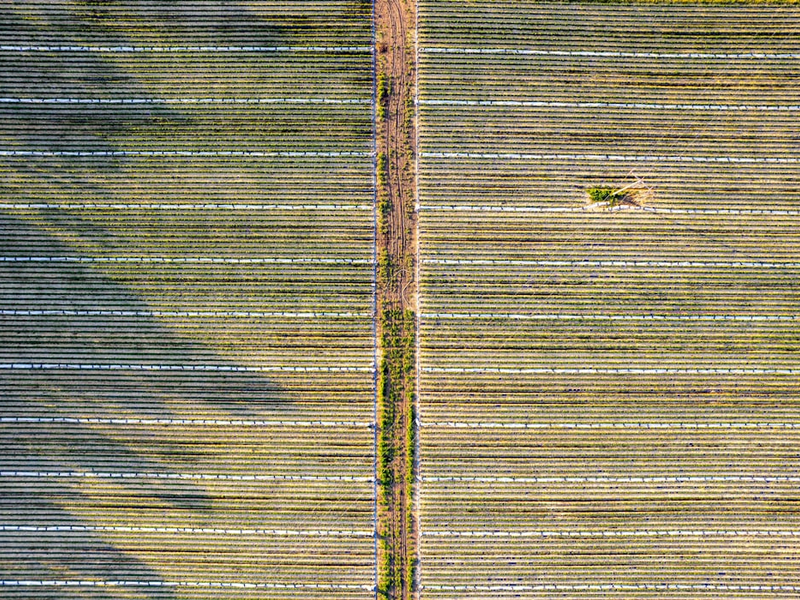
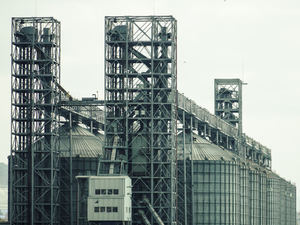
Photo by Bernd 📷 Dittrich on Unsplash
When a major AI company came knocking on Ida Huddleston’s door with a $26 million check, most people would probably take the money and run. But the 82-year-old Kentucky farmer had other plans: she turned it down flat.
Huddleston and her family have owned their 1,200-acre farm in northern Kentucky for generations, and they weren’t about to let some tech company turn it into a data center, no matter how many zeros were on that offer. According to reporting from WKRC, the unnamed AI firm approached her family last year hoping to build a massive data center on their land outside Maysville. The Huddlestons said absolutely not.
“They call us old stupid farmers, you know, but we’re not”, Huddleston told the local news station. And honestly? She’s got a point. While the tech industry loves to frame data centers as economic gold rushes for rural communities, the reality is way more complicated.
Huddleston’s concerns aren’t coming out of nowhere. She’s worried about something pretty serious: the environmental toll that data centers are known to take on farmland and water supplies. Recent reporting has documented how data centers near farms have led to water shortages and ground poisoning in multiple regions. When you’re running a farm that depends on clean water and healthy soil, those aren’t small problems, they’re existential ones.
In her interview, Huddleston was blunt about what she thinks of the deal. “It’s a scam”, she said, expressing serious doubts that a data center would actually bring meaningful jobs or economic growth to Mason County. She’s not wrong to be skeptical. While tech companies love to promise local employment and tax revenue, those benefits often don’t materialize the way communities are told they will.
Here’s where it gets even more frustrating: even after the Huddlestons said no, the company didn’t back off completely. Instead, they revised their plans and filed a zoning request to rezone over 2,000 acres in northern Kentucky. That means they could potentially build their data center right next to the Huddleston farm anyway, without the family’s consent.
This whole situation highlights a real tension in how we’re building AI infrastructure in America. Tech companies are desperately searching for space and power to run their massive data centers, and rural areas with cheaper land and access to water are natural targets. But there’s a human cost to that expansion, and it’s worth asking whether the people actually living on that land get a real say in what happens to their communities.
Huddleston’s refusal to sell is a reminder that not everyone is willing to trade their land and their future for a corporate payday, even when that payday is almost unimaginably large.
AUTHOR: pw
SOURCE: TechCrunch