Can Matt Mahan's San Jose Homelessness Plan Actually Work for All of California?
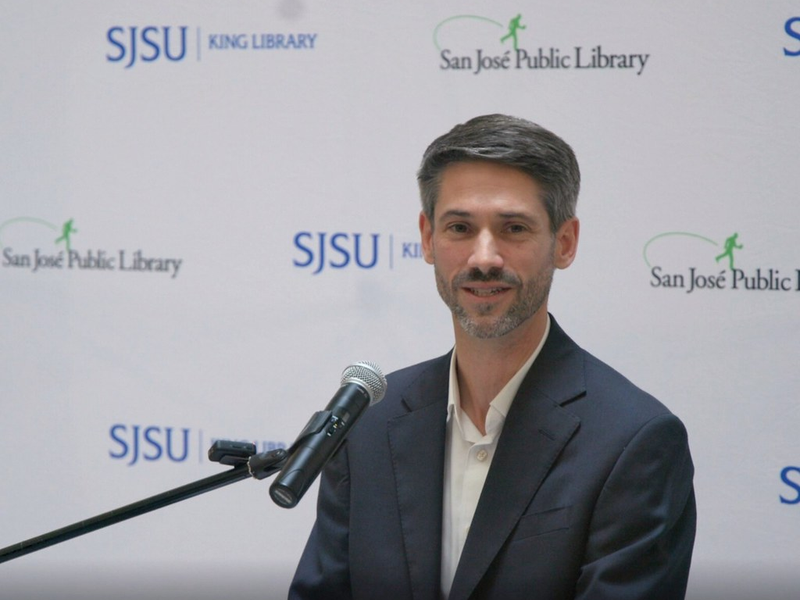
Photo by San José Public Library | License
San Jose Mayor Matt Mahan is running for California governor, and his homelessness strategy is becoming a central part of his campaign. But experts are asking the real question: will what works in Silicon Valley’s largest city actually translate across the entire state?
Mahan has made some serious moves in San Jose. He’s more than doubled the number of tiny home beds available for unhoused people, pushed for more state funding, increased encampment sweeps, and cut through bureaucratic red tape by declaring a homelessness emergency. He’s also talked about expanding Section 8 housing vouchers, though the details remain fuzzy.
The good news? Experts say some of his approaches have real potential. Ryan Finnigan, deputy director of research at UC Berkeley’s Terner Center for Housing Innovation, believes San Jose’s success comes from an “all hands on deck” approach involving the city, service providers, nonprofits, and even the water district donating land. However, he’s cautious about scaling this statewide. “At the state level, you can provide resources and streamline permitting for interim housing, but you still need those local folks coming together”, Finnigan explained.
Elizabeth Funk, CEO of DignityMoves, agrees that temporary shelters are crucial for stopping the crisis from spiraling further. But she also points out a major problem: the state’s main homelessness funding program has been zeroed out this fiscal year. This means programs declaring unsheltered homelessness their top priority don’t have the money to back it up.
Here’s where things get complicated. While getting people off the streets matters, temporary shelters don’t solve the root problem: the massive shortage of affordable permanent housing. Benjamin Henwood, director of USC’s Homelessness Policy Research Institute, is blunt about it: “There’s no solution to homelessness without increasing the availability of affordable housing”. He’s right, we’ve been dealing with this shortage since the 1980s, when the federal government started slashing low-income housing investments.
There are also questions about whether Mahan’s tiny home strategy can actually work long-term, especially after recent reports of management issues at multiple San Jose sites. And about that Section 8 expansion? Henwood points out a crucial reality: it’s a federal program, so expanding it requires congressional action, not state-level changes. Right now, only about one quarter of qualifying households actually get vouchers, with others waiting years on waitlists.
Mahan’s campaign didn’t respond to requests for comment on these concerns. But the bigger question remains: can policies that worked in one California city really address homelessness across a state with wildly different housing markets, costs of living, and local resources? The answer appears to be complicated.
AUTHOR: mp
SOURCE: Local News Matters