California's Snowpack Is Disappearing Fast. And That's Bad News for Your Water Supply
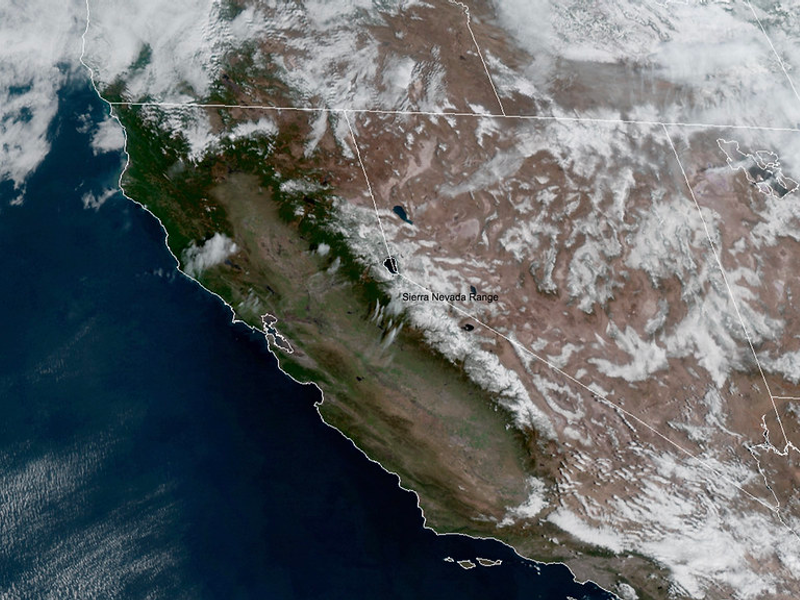
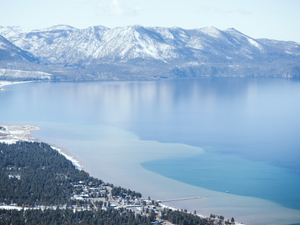
Photo by NOAASatellites | License
California is melting, and we’re not talking about your ice cream cone. Record-breaking heat is turning the Sierra Nevada snowpack into a water crisis, and it’s happening months earlier than anyone expected.
Here’s the thing: about one-third of California’s water comes from that snowpack sitting high up in the mountains. It’s basically nature’s giant freezer, storing water that flows down into reservoirs during spring and summer when we actually need it. But this year? The snowpack is melting so fast that by mid-March, it had already dropped to just 38% of the normal amount for this time of year. We’re watching snowmelt happen in March that normally doesn’t start until May, a full two months early.
State climatologist Michael Anderson says the snowpack is rapidly approaching the worst five on record for April 1st. It’s not quite as bad as 2015, when Governor Jerry Brown stood on barren Sierra slopes to watch scientists measure history’s most pathetic snowpack. But we’re getting dangerously close.
This puts reservoir operators in a seriously awkward position. Reservoirs have two conflicting jobs: they need to hold back water during floods but also store it for dry seasons. When snowmelt happens this early, it creates a problem. The East Bay Municipal Utility District, which supplies water to millions of Bay Area residents, is trying to save every drop while also releasing water for salmon migration. They’re not convinced they’ll even fill their reservoirs by July 1st, their usual target date.
The good news? California is better prepared than it was five years ago. Back in 2021, state forecasters completely botched their predictions, overestimating snowmelt by up to 68%. Dry soils and parched air sucked up the runoff before it could reach reservoirs, and farms and cities got hit hard during the drought. This year, major reservoirs are already above historic averages thanks to earlier storms that soaked the ground.
The state has also been seriously investing in better forecasting technology. Improved snowpack modeling, soil moisture estimates, and university collaborations are helping water managers make smarter decisions. However, there’s still a problem: the federal government has been cutting staff and funding. The U.S. Forest Service has shed thousands of employees, which is slowing down efforts to install more soil moisture sensors in national forests.
Agencies are also working with the U.S. Army Corps of Engineers to update outdated flood-control rules that sometimes force them to waste perfectly good water. Programs like Forecast Informed Reservoir Operations are using advanced weather predictions to make smarter decisions about when to release and store water.
The bottom line? This year we’ll probably be fine. But early snowmelt from record heat is a glimpse of California’s water future under climate change, and it’s not looking particularly chill.
AUTHOR: pw
SOURCE: Local News Matters