Invisalign Is Quietly Becoming a Manufacturing Beast. And It Could Change Orthodontics Forever
Align Technology might not be a household name, but the company behind Invisalign definitely is. With a $12 billion valuation and 22 million patients worldwide who’ve worn their aligners, the company is preparing for its biggest manufacturing overhaul since its founding 29 years ago. CEO Joe Hogan, a plastics and manufacturing veteran who’s been with the company for over a decade, recently sat down to discuss where Invisalign is headed, and spoiler alert: it involves becoming the world’s largest user of 3D printers.
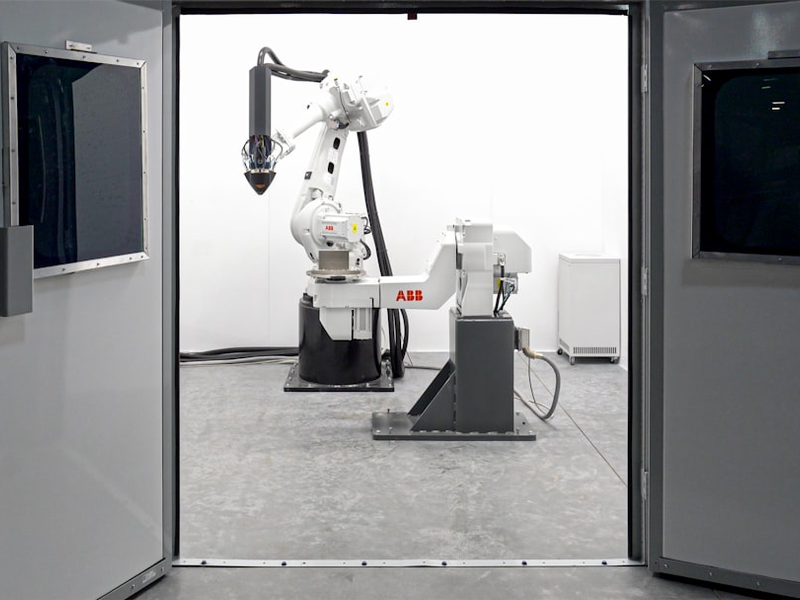
Right now, Invisalign doesn’t actually 3D print the aligners you wear. Instead, they 3D print molds and then vacuum-form plastic over them. It’s a longer, more wasteful process that Align is about to ditch entirely. “When I walked in here, I realized that we really didn’t 3D print those aligners, that we were 3D printing molds and vacuum-forming a plastic over them”, Hogan explained. The shift to direct 3D printing could lower costs and make treatment more affordable, potentially bringing clear aligners to more people across the globe.
But here’s the thing: pulling this off is genuinely complicated. Align needs to solve some seriously tricky engineering problems. They have to figure out the optimal way to print aligners (vertically, horizontally, sideways?), where to place the material runners, and how to cut them efficiently with lasers. That’s before we even talk about quality control at scale, remember, we’re talking about a company that manufactures around a million aligners per day.
Align actually bought an Austrian company called Cubicure to help tackle this challenge. The partnership gives them access to machines that can handle high-viscosity resins, which Align’s own polymer chemists developed. “We have a resin we want, and that resin is as good or better than SmartTrack”, Hogan said, referring to their current material.
What’s wild is that despite being a $4 billion company, Invisalign isn’t the typical tech startup scaling aggressively. They currently manufacture in Mexico, Poland, and China, with thousands of workers in Juarez, Mexico alone handling post-printing work like packaging and treatment processes. Hogan acknowledged that as manufacturing becomes more automated, bringing production back to the US could eventually make sense, especially considering shipping costs are now one of their largest expenses.
Invisalign dominates the clear aligner market with 60 to 70 percent market share globally, and they’re facing fewer complaints than you’d expect about the actual product quality. When asked about microplastics concerns, Hogan stated they’ve never received complaints about this issue since he arrived at the company.
As Invisalign continues expanding into new markets, particularly in Asia and the Middle East, they’re also shifting focus. While aesthetics used to be the primary driver, functionality is becoming increasingly important. Better tooth alignment means easier flossing and long-term dental health, which resonates with older patients while younger ones still prioritize appearance.
The bottom line? Invisalign is betting big on manufacturing innovation to cut costs and expand access to orthodontic treatment. If they pull off the direct 3D printing transition successfully, it could reshape the entire industry and make straighter teeth accessible to way more people.
AUTHOR: pw
SOURCE: Wired