California's Water Crisis Just Got Real: Here's What the State's New Plan Actually Means
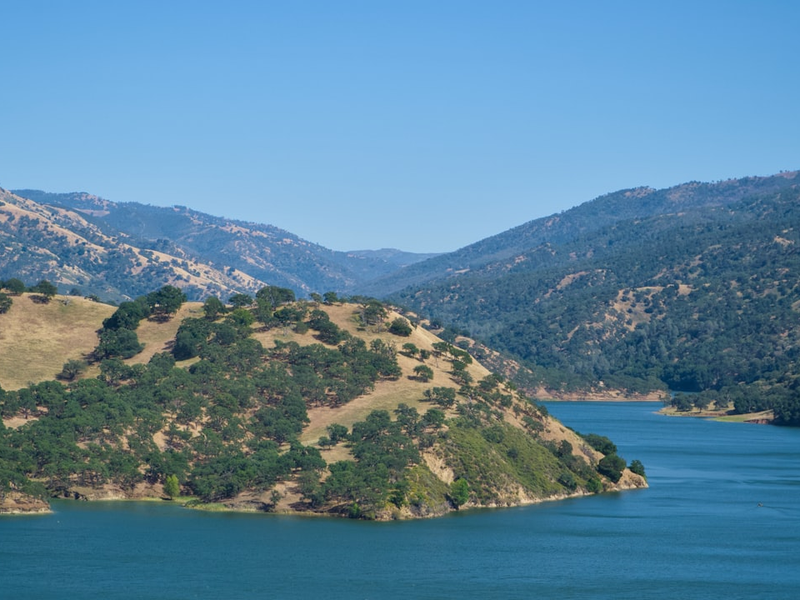
Photo by Spencer DeMera on Unsplash
California’s relationship with water is broken, and state officials are scrambling to fix it before things get worse. The latest snow survey data dropped this week, and it’s honestly pretty grim: the statewide snowpack is sitting at just 18% of average, the second worst measurement since 1950. Even more wild? This happened despite precipitation being near-average, which tells you everything you need to know about what’s happening up in the Sierra Nevada.
Here’s the problem: as temperatures keep rising, snow is turning into rain earlier and melting faster. That thick, reliable snowpack that used to act like nature’s giant freezer, slowly releasing water throughout the summer and fire season? Yeah, that’s basically gone. Instead, water pours past our already-full reservoirs during wet months and disappears when we actually need it.
“It is hotter, and it is drier”, Karla Nemeth, director of the California Department of Water Resources, said this week. And she’s not exaggerating. March was the driest on record for the state, with record-breaking heat melting what little snow remained.
So what’s the state doing about it? The California Department of Water Resources is working on the 2028 California Water Plan, basically the state’s master strategy for keeping us from running out of water in the coming decades. Every five years, the state updates this plan, and this version is getting serious attention because scientists are predicting we could lose up to 10% of our water supply by 2045.
The new plan isn’t just about building bigger dams or importing water from elsewhere (though desalination plants and Colorado River supplies are definitely on the table). It’s also focusing on what sounds weird but actually makes sense: letting water soak into the ground. According to Sandi Matsumoto from The Nature Conservancy, 60% of California’s water during dry years comes from underground aquifers. That means forests, meadows, rivers, and wetlands, the natural systems that move water into the ground, are basically our backup plan.
“Moving water into the ground is super important, and our rivers and wetlands do that naturally”, Matsumoto explained.
The state is also considering nature-based solutions like fallowing farmland to restore desert habitat and looking at ocean water desalination, though that’s expensive. Really expensive. We’re talking $8,500 per acre-foot for desalinated water compared to $400 per acre-foot for water that just falls from the sky and we capture.
If you’re interested in weighing in, the first water plan advisory committee meeting is happening May 13-14 in Sacramento. You can also email suggestions directly to secretarysuggestions@resources.ca.gov. Because honestly? We’re all in this together, and California needs ideas, fast.
AUTHOR: cgp
SOURCE: Local News Matters