Your Grandma's iPod Is Actually Cool Now. Here's How to Revive It
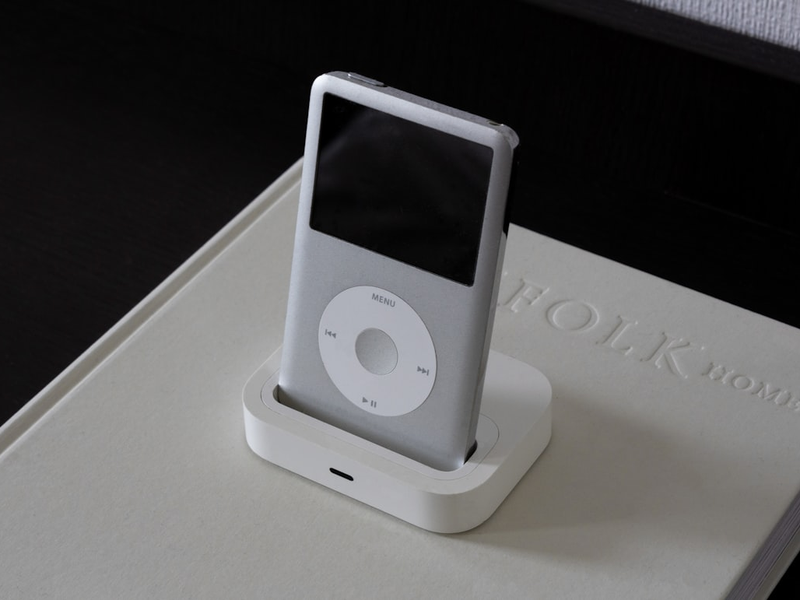
Photo by Kevin Shek on Unsplash
Remember when everyone had an iPod? Yeah, they’re back. Four years after Apple killed off the device, secondhand sales are surging, and it’s not just because they look retro. A growing wave of young people are hunting down these old music players because they offer something smartphones can’t: a way to actually listen to music without getting sucked into the doomscroll vortex.
Ben Wood, chief analyst at CCS Insight, says the trend is real and rooted in mental health concerns. “There’s a growing trend, particularly amongst younger users, to mitigate the ease with which they can be distracted by smartphones”, he explains. “Having a dedicated music device, such as an iPod, is a good way to reduce your dependence on a smartphone and avoid being drawn into other activities, like scrolling through social media feeds, when you only really want to listen to music”.
Here’s the thing: you can’t buy a brand-new iPod anymore, but finding a used one is surprisingly easy. Apple sold 450 million of them over two decades, so there are tons still floating around. You’ll find them on eBay, Facebook Marketplace, Mercari, and Back Market, which reported iPod sales jumped 48% last year compared to 2024. Or you could just ask your parents or grandparents if they have one collecting dust in a drawer.
Once you’ve scored one, you might need to revive it. If the battery’s dead, you’ll need a charging cable. Newer iPod Touch models use Lightning cables, but older ones require a 30-pin cable, replacements are available from third-party makers. If charging doesn’t work, the battery might need replacing, which you can do yourself using guides from iFixit or send it to a repair service.
Getting music on your iPod is straightforward. Windows users can use iTunes to drag and drop files onto the device. Mac users will need to use Apple Music instead (Apple discontinued iTunes for macOS in 2019). You can add music you’ve ripped from CDs or purchased digitally, though standard iPods won’t stream from Apple Music, only later generations of the iPod Touch support that.
Here’s where it gets fun: the iPod community is huge and creative. People are modifying their devices with custom faceplates and upgrading the firmware with open-source software like Rockbox, which adds features Apple never included, like support for high-resolution lossless audio files and the ability to track your listening habits without iTunes.
The iPod revival isn’t just nostalgia. It’s about rejecting the algorithm-driven, attention-hijacking design of modern devices and reclaiming a simpler way to enjoy music. Whether you’re restoring grandma’s old Nano or hunting down a specific model, the iPod community has your back.
AUTHOR: mls
SOURCE: NBC Bay Area