Trump's AI Blueprint Could Override California's Consumer Protections
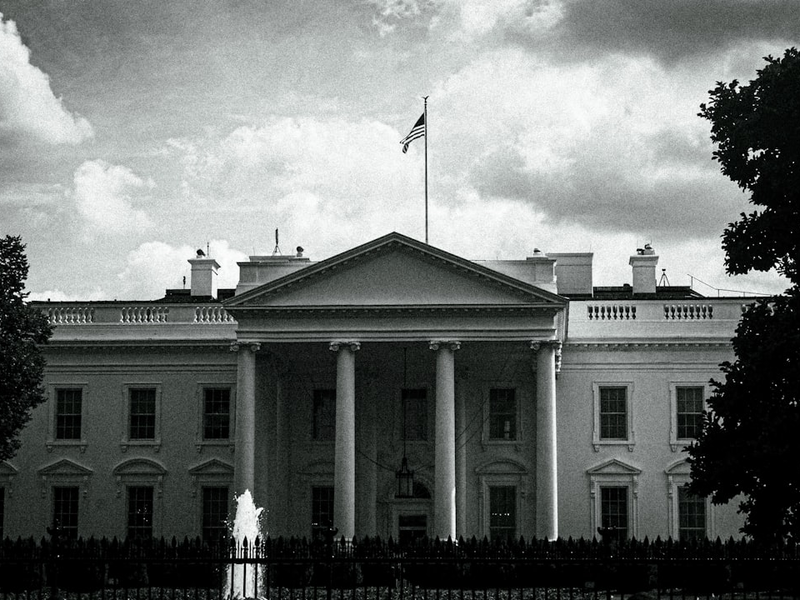
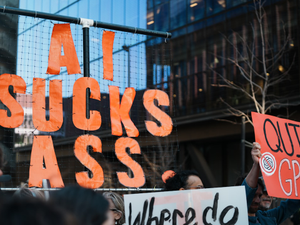
Photo by Andriy Miyusov on Unsplash
The White House just dropped a framework that could reshape how AI gets regulated across the country, and honestly, it’s looking pretty industry-friendly. On Friday, the Trump administration released a legislative blueprint urging Congress to preempt state AI laws, arguing that a patchwork of different state regulations would stifle innovation and hurt America’s AI dominance. Sounds reasonable on the surface, but here’s where it gets messy for those of us in California.
The framework focuses on six guiding principles: protecting children, preventing electricity costs from spiking, respecting intellectual property rights, preventing censorship, and educating Americans about AI. While those sound good in theory, critics argue the proposal is basically a get-out-of-jail card for tech companies. The White House AI czar David Sacks claims this move is necessary to prevent 50 different state regulatory regimes from messing things up. But several states, including California, Colorado, Texas, and Utah, have already passed laws setting real rules for AI, including transparency requirements and restrictions on how companies collect personal data.
California’s Democratic Gov. Gavin Newsom wasn’t having it. His office pushed back hard, saying Trump is “trying to gut laws in California that keep our residents safe and protect consumers”. And they’ve got a point. California has been working on AI regulations while the federal government dragged its feet, and now there’s a threat those protections could get wiped out by federal preemption.
Getting this legislation through Congress won’t be easy, even in a midterm election year. While House Republicans quickly endorsed the framework and promised bipartisan cooperation, Democrats are already raising red flags. U.S. Rep. Josh Gottheimer from New Jersey called it out for failing to address “strong accountability for AI companies” and warned against letting “the AI industry be the Wild West”.
There’s also the question of whether Congress will listen to influential Republicans like U.S. Sen. Marsha Blackburn of Tennessee, who’s been skeptical of federal overreach on this stuff. Some AI safety advocates are pushing her and other key Republicans to demand stronger protections against AI’s biggest risks, like widespread job displacement and out-of-control AI systems that could threaten national security.
On copyright, the framework basically punts: it says courts should figure out whether training AI on copyrighted material violates copyright law, even though that’s already spawning massive lawsuits from writers, artists, and publishers. Tech companies are obviously thrilled about this approach.
The real question now is whether Congress will actually pass federal AI legislation and, if so, whether it’ll be something that actually protects people or just protects corporate interests. Given the deep divides between Democrats and Republicans on this issue, we might be waiting a while to find out.
AUTHOR: pw
SOURCE: NBC Bay Area