Afroman Just Won Big Against Police in a Wild First Amendment Case
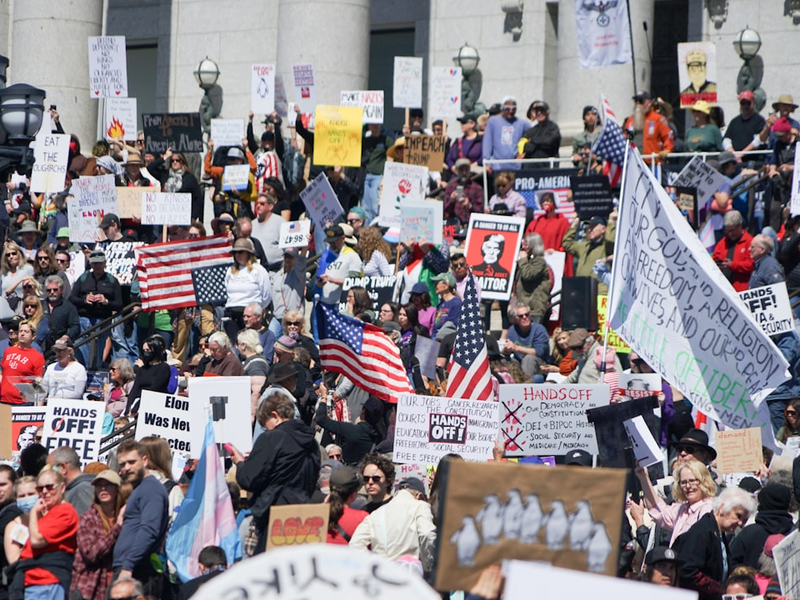
Photo by Mike Newbry on Unsplash
A Grammy-nominated rapper just scored a major victory for free speech. Afroman, born Joseph Foreman, won a defamation lawsuit filed by seven Ohio sheriff’s deputies who were seriously upset about music videos he made mocking their 2022 raid of his home. The 51-year-old artist, best known for his 2000 hit “Because I Got High”, celebrated outside the courthouse with a simple message: “We did it, America! Yeah, we did it! Freedom of speech!”
This case basically tested how far artists can go when they’re calling out public figures, in this case, law enforcement. The deputies were collectively asking for nearly $4 million in damages because they claimed the viral videos, which racked up over 3 million YouTube views, caused them public humiliation and harassment.
So what actually happened? In 2022, Adams County deputies executed what was supposed to be a drug and kidnapping investigation at Afroman’s home in Winchester, Ohio, about 50 miles outside Cincinnati. They came through his door with rifles drawn, searched his belongings, and basically tore his place apart. The raid turned out to be a complete mistake, no charges were ever filed. But the damage was done, literally and figuratively. Afroman’s gate and front door were broken, his kids (then 10 and 12) were traumatized, and he decided to process the whole situation the way he knew how: through music.
In tracks like “Will You Help Me Repair My Door?” and “Lemon Pound Cake”, Afroman used his home security footage to create satirical music videos. One particularly memorable clip shows officers eyeing a cake on his kitchen counter while they searched. His lyrics called out what he saw as a corrupt police force and questioned why $400 went missing during the raid. The videos definitely didn’t hold back, he called the deputies “crooked cops” and made pointed critiques of their actions.
The deputies argued that Afroman fabricated details to damage their reputations. One deputy said the videos questioned her gender and sexuality. Another claimed his child got bullied at school because of the posts. They felt targeted and defamed.
But Afroman’s defense team had a solid argument: artists have the right to exaggerate and use satire when doing social commentary, especially against public figures like police officers. His lawyer pointed out that no reasonable person would expect cops not to face criticism. Plus, Afroman wasn’t making this stuff up out of nowhere, these officers actually did raid his home, and he was responding to what he genuinely believed was misconduct.
The verdict sided with Afroman, protecting his right to tell his story and call out what he sees as governmental overreach. It’s a win for artists and activists who use their platforms to critique institutions of power.
AUTHOR: mp
SOURCE: NBC Bay Area