How the Valkyries' Wildly Successful First Season Helped WNBA Players Secure a Game-Changing Contract
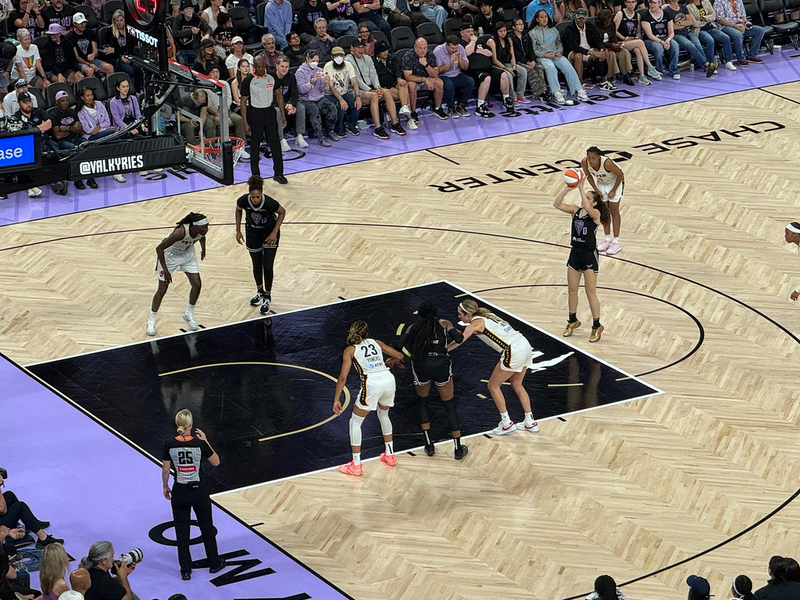
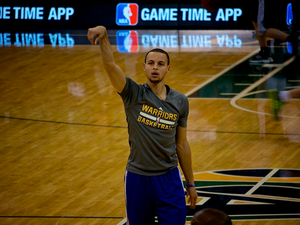
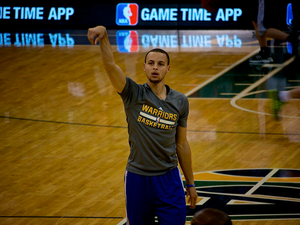
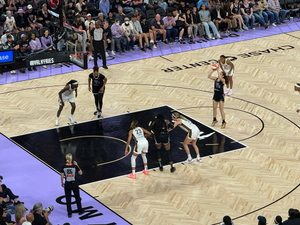
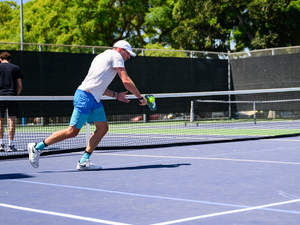
Photo by sarahstierch | License
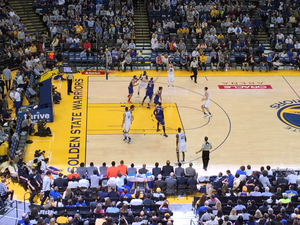
The Golden State Valkyries’ inaugural season was nothing short of magical. The Bay Area’s brand-new women’s basketball team sold out all 22 home games, made the playoffs as the first expansion team ever to do so in their debut year, and captured the hearts of a region that hadn’t realized how hungry it was for women’s professional sports. But their impact extends far beyond Chase Center.
This week, WNBA players and owners reached a landmark collective bargaining agreement that fundamentally transforms the league’s financial landscape. The salary cap is jumping from $1.5 million to a massive $7 million, while the average player salary is skyrocketing from $120,000 to approximately $600,000. For context, that’s a roughly fivefold increase in what players earn on average, a huge win for athletes who have historically been dramatically underpaid compared to their male counterparts.
While stars like Caitlin Clark certainly played a role in making this deal possible, the Valkyries and their fans deserve serious credit too. The Bay Area’s immediate and overwhelming embrace of women’s basketball showed the WNBA that investing in top-tier talent and marketing could actually pay off. The team attracted over 10,000 season-ticket holders in year one, a staggering number for a league where many franchises struggled to draw thousands of fans for the first two decades of its existence.
The financial projections back this up. Sportico valued the Valkyries at $500 million in summer 2025, a stunning return on Golden State’s $50 million expansion fee. Forbes estimated the franchise would generate more revenue in 2025 than any women’s sports team had ever produced in a single year, with owner Joe Lacob projecting first-season revenues exceeding $55 million.
This success matters because it proves women’s sports aren’t just a feel-good story, they’re a genuine business opportunity. The Valkyries’ performance has essentially become a blueprint for the league’s future expansion plans, including new franchises in Toronto and Portland.
Now comes the real challenge. General manager Ohemaa Nyanin and reigning WNBA Coach of the Year Natalie Nakase have a condensed timeline to build on last year’s momentum. The draft happens April 13, training camp starts April 19, and opening night is May 8. They’ll be working with significantly more resources than they had in year one, but they’ll also have less time to plan given the extended CBA negotiations.
The Valkyries finished last season 23-21 with one of the league’s best defenses, powered by emerging All-Star Kayla Thornton and point guard Veronica Burton. Now Lacob has signaled the team will pursue top-tier talent in free agency, betting that playing in front of packed houses at Chase Center will attract elite players.
For WNBA players and women’s basketball fans everywhere, the Valkyries’ first year represents a turning point. Bay Area fandom didn’t just support a new team, it helped secure a transformative contract that will elevate the entire league.
AUTHOR: rjv
SOURCE: SF Standard