Stuck in India for Four Months: How a Broken Visa Policy Separated Bay Area Families
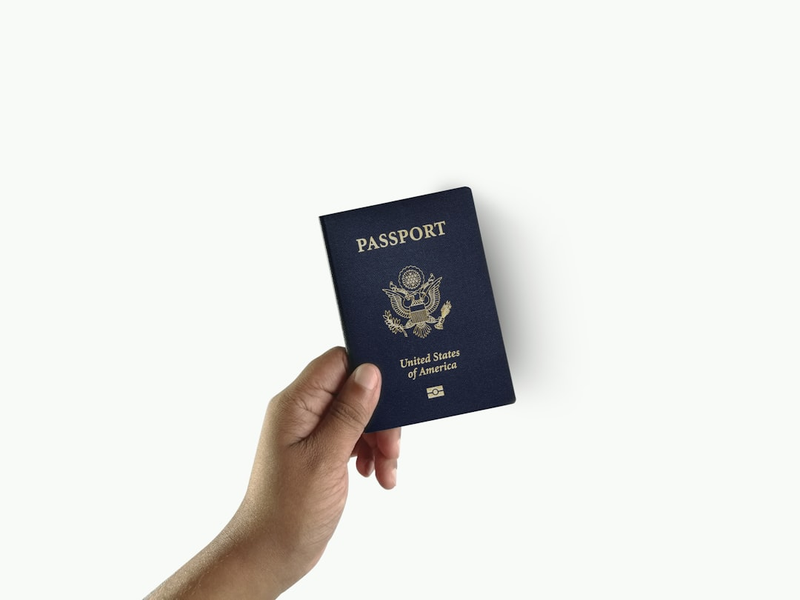
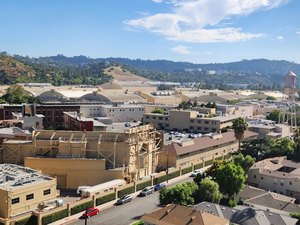
Photo by Global Residence Index on Unsplash
J.K. was supposed to be gone for a few weeks. It’s now been nearly four months since she left her husband and two young children in their San Jose home to handle a family emergency in Hyderabad, India, and the situation has become a nightmare that shows no signs of ending.
What should have been a routine visa renewal turned into an indefinite separation when the U.S. State Department announced new social media screening requirements for H-1B visa holders in December 2025. The policy was meant to identify applicants who pose national security threats, but the implementation has been a total bureaucratic disaster. Since the announcement, visa renewal appointments at U.S. consulates have essentially vanished, J.K. has been checking daily for available slots for months with zero luck.
J.K. isn’t alone in this mess. A WhatsApp group for H-1B holders stranded in India has over 750 members, and immigration advocates believe thousands more may be affected. These aren’t random people, they’re skilled professionals from major tech companies like Amazon, Apple, and Google, many with advanced degrees from U.S. universities and years of work experience here.
Back in San Jose, the impact on families is devastating. S.G., J.K’.s husband, has been flying solo as a parent while juggling his full-time job as a product engineer. He’s averaging five hours of sleep on weeknights, handling school drop-offs, homework, extracurriculars, cooking, and everything else that comes with raising two kids alone. Their daughter has stopped socializing with other children and can’t control her emotions. When she asked her mom over video call, “Why are we not a family anymore?” J.K. broke down crying.
The ripple effects extend to employers too. Companies face foreign tax liabilities if employees work remotely from India for too long. One worker was told he had to stop after 180 days; another was instructed to move to London while waiting for his appointment. The Trump administration’s September policy raising H-1B application fees from $5,000 to $100,000 already sent shockwaves through the tech industry, but this visa stamping debacle is causing actual human suffering.
Immigration lawyer Rosanna Berardi, who’s representing a dozen stranded clients, is blunt about the situation: “The government’s playing games with social media vetting. And we have no ETA on when they’re coming back”. She’s now telling all her clients to avoid leaving the country at all.
U.S. Ambassador to India Sergio Gor has defended the screenings as necessary border security measures, but that doesn’t help the hundreds of people whose lives are in limbo. J.K. barely sleeps, has lost weight, and her work as an optical engineer has suffered dramatically since she can’t physically inspect the technology she designs. Some stranded workers are already making plans to move to Canada or back to India, potentially abandoning the lives and homes they’ve built here.
For S.G., his wife, and their two kids, there’s no Plan B yet. But as weeks turn into months with no relief in sight, the question isn’t just when J.K. will get her two-minute stamping appointment, it’s whether their family will ever be whole again.
AUTHOR: mp
SOURCE: SF Standard