California's Making a Big Change to March 31 . And It's About Way More Than One Person
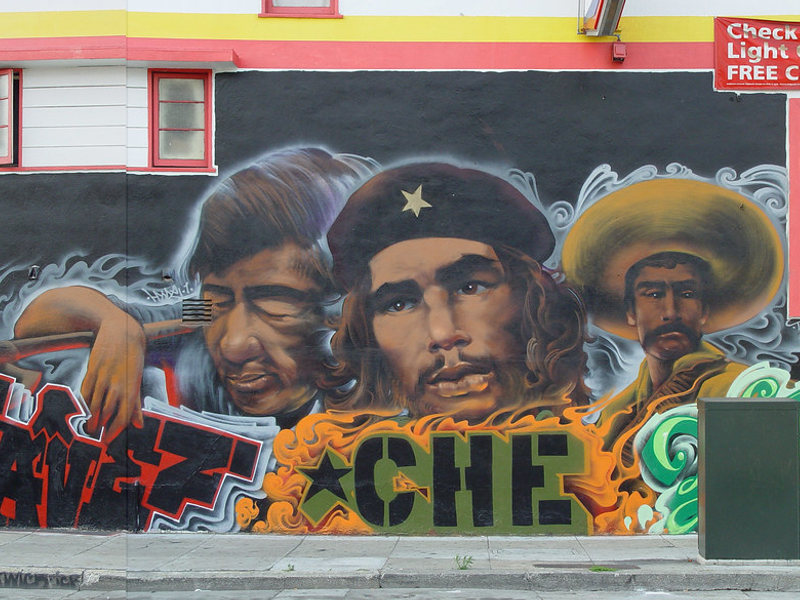
Photo by Franco Folini | License
California lawmakers just introduced legislation that would rename March 31 from Cesar Chavez Day to Farmworkers Day, and honestly, it’s a move that reflects a much larger conversation happening right now about how we honor historical figures.
The announcement came this week following sexual abuse allegations against Chavez that surfaced earlier. State Assembly Speaker Robert Rivas and Senate President Pro Tem Monique Limón revealed the bill in a joint statement that focused on celebrating farmworkers as a collective rather than centering any single individual.
“This holiday will be a time for California to honor the past, reflect on the present, and renew our collective dedication to equity and justice for farmworkers”, the statement read. The legislation also includes plans for lawmakers to work with local governments and school districts to update any relevant laws and statutes.
State Sen. Dave Cortese, who co-authored the bill, really hit on something important in his own statement about the change. He emphasized that the farmworker movement was never just about one person, it was built by countless organizers, families, and women whose contributions have been historically overshadowed and forgotten.
“The Farmworker movement has always been bigger than any one individual”, Cortese said. “It was built by organizers, by families, and by women whose contributions and voices have been silenced for way too long and kept in the shadows. March 31st has always been about them, not just one individual. It’s time we recognize it as such”.
This shift feels particularly relevant right now as we’re having broader conversations about accountability and recognizing that historical figures can have complicated legacies. The move doesn’t erase Chavez’s contributions to labor rights, it just reframes the holiday to acknowledge the entire movement that fought for farmworkers’ rights and dignity.
What’s especially meaningful here is the explicit recognition of women’s contributions to the farmworker movement, which haven’t always gotten the attention they deserve. These activists organized, protested, and sacrificed alongside their male counterparts but often got left out of the historical narrative.
The fact that California’s legislative leadership is moving on this relatively quickly shows there’s real momentum behind the idea that we can honor the movement’s history while also being honest about the personal failings of some of its key figures. It’s a more nuanced approach to how we think about celebrating labor rights and social justice movements, one that centers the collective work rather than individual heroes.
As these changes move forward, it’ll be interesting to see how schools, communities, and workplaces around California recognize and celebrate this reimagined holiday.
AUTHOR: pw
SOURCE: Local News Matters