The White House Wants to Stop States From Regulating AI. and Tech Companies Are Here For It
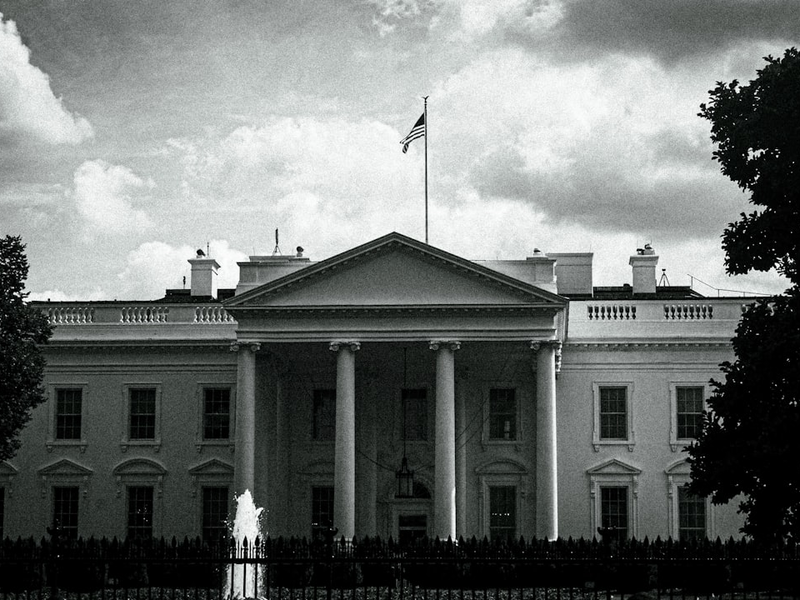
Photo by Andriy Miyusov on Unsplash
The Trump administration just dropped a legislative blueprint that basically says: let the feds handle AI regulation, not the states. And it’s already causing a whole lot of drama.
On Friday, the White House laid out its vision for how Congress should approach artificial intelligence, and the message is pretty clear, Congress should “preempt” state AI laws that the administration sees as too restrictive. The framework focuses on six main principles: protecting kids, keeping electricity costs down, respecting intellectual property, preventing censorship, and educating Americans about the tech. Sounds reasonable on the surface, right? But here’s where things get messy.
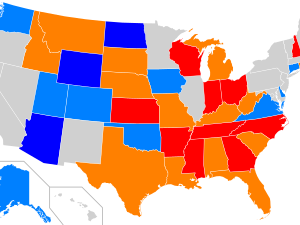
Several states have already started regulating AI on their own. California, Colorado, Texas, and Utah have all passed laws setting rules for how AI gets used in the private sector. Colorado’s law, for example, is designed to prevent AI from discriminating against people in hiring and medical decisions. Texas requires government agencies and healthcare providers to disclose when they’re using AI and prohibits AI designed to encourage people to harm themselves or others. These aren’t extreme regulations, they’re just states trying to protect their residents.
But Trump’s framework essentially says these state laws should be overruled by federal legislation. California Governor Gavin Newsom wasn’t having it. His office fired back Friday, saying Trump is “trying to gut laws in California that keep our residents safe and protect consumers”. Colorado State Rep. Jennifer Bacon echoed similar concerns, noting that constituents want innovation but not at the cost of becoming like China.
The irony? House Republicans have already endorsed this framework, even though getting bipartisan support in Congress will be incredibly difficult. Democratic Representative Josh Gottheimer of New Jersey straight up said the blueprint “fails to address key issues, including strong accountability for AI companies”. He’s right to be concerned, the framework basically gives AI companies a lot of freedom while states lose their ability to set their own rules.
What’s particularly wild is that the administration is also positioning this as a response to data center concerns. AI infrastructure is energy-intensive and expensive, so the White House has been pushing companies to build their own power plants. That’s actually a valid concern, but it’s bundled together with provisions that benefit tech companies in other ways, like taking a hands-off approach to copyright issues.
The real question is whether Congress can actually pass unified AI legislation that satisfies both pro-regulation Democrats and pro-innovation Republicans. Some AI safety advocates worry the framework doesn’t go far enough in addressing catastrophic risks like widespread job replacement. Others point out that the copyright language essentially lets tech companies off the hook for potentially using copyrighted materials without permission.
What we’re looking at is a classic power struggle: states wanting to protect their residents versus the federal government and Big Tech wanting minimal restrictions. And right now, the White House is pushing hard to centralize power at the federal level. Whether that’s actually better for everyday people? That’s still an open question.
AUTHOR: cgp
SOURCE: AP News