I Got Paid Pennies to Train AI With My Dirty Laundry. And It's the Future of Gig Work
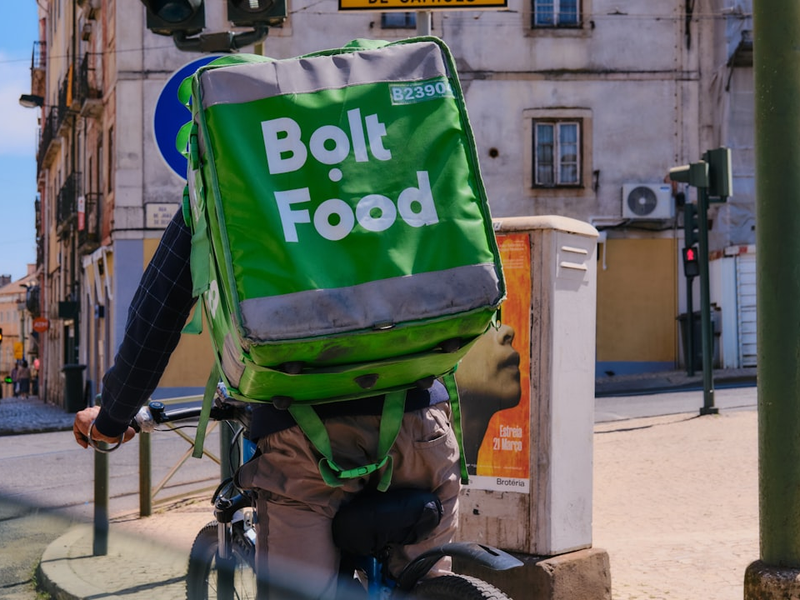
Photo by Precious Madubuike on Unsplash
Picture this: you’re filming yourself doing laundry in your apartment, holding up each piece of dirty clothing to your phone camera so an AI system can learn what underwear looks like. Your phone keeps beeping because your hands aren’t visible enough in the frame. You’re earning less than a dollar for your time. Welcome to DoorDash’s new Tasks app, where the gig economy has officially reached peak dystopia.
DoorDash, the food delivery giant, just launched a new app that has absolutely nothing to do with getting tacos to your door. Instead, it’s recruiting regular people to generate training data for AI models and humanoid robots. The premise is straightforward: strap your phone to your chest, perform everyday tasks like cooking eggs or folding laundry, and get paid. The catch? The pay is abysmal.
I decided to test this out myself, and honestly, it was bleak. After completing three tasks, loading laundry, scrambling eggs, and exploring a park, I earned less than $10. The laundry task, which paid $15 an hour with a 20-minute maximum, took me about 90 seconds to complete, netting me $0.37. The egg task? Maximum $5, even if you somehow stretched it out by burning the whole thing.
The app currently offers five categories of tasks: household chores, handiwork projects, cooking, location navigation, and foreign language conversations. Some tasks seem reasonable enough, changing a lightbulb or making a bed. Others are genuinely concerning. Navigation tasks ask you to explore parks and museums while recording everything around you. The problem? You’re supposed to avoid filming people without consent. I lasted five minutes in a nearly empty park before a jogger with a stroller approached, and I immediately felt like I was doing something wrong. In a crowded location, following DoorDash’s rules seems nearly impossible.
What’s particularly frustrating is the scale of exploitation here. The generative AI and robotics industries are pulling in billions of dollars in investment funding. Yet workers providing the actual training data, the stuff that makes these AI systems function, are getting paid pennies for their time and the use of their own phones, internet, and labor.
DoorDash is expanding this service soon, though interestingly, they’re explicitly blocking residents of California, New York City, Seattle, and Colorado from using it right now. The company frames this as helping AI understand the physical world, which is technically true. But at these rates, it feels less like a job opportunity and more like corporate data harvesting dressed up as gig work.
If this is genuinely the future of the gig economy, we need to talk seriously about worker protections, fair compensation, and what it means when billion-dollar corporations ask us to train the systems that might replace us, for less than minimum wage.
AUTHOR: mp
SOURCE: Wired