California Schools Are Reckoning with César Chávez's Complicated Legacy
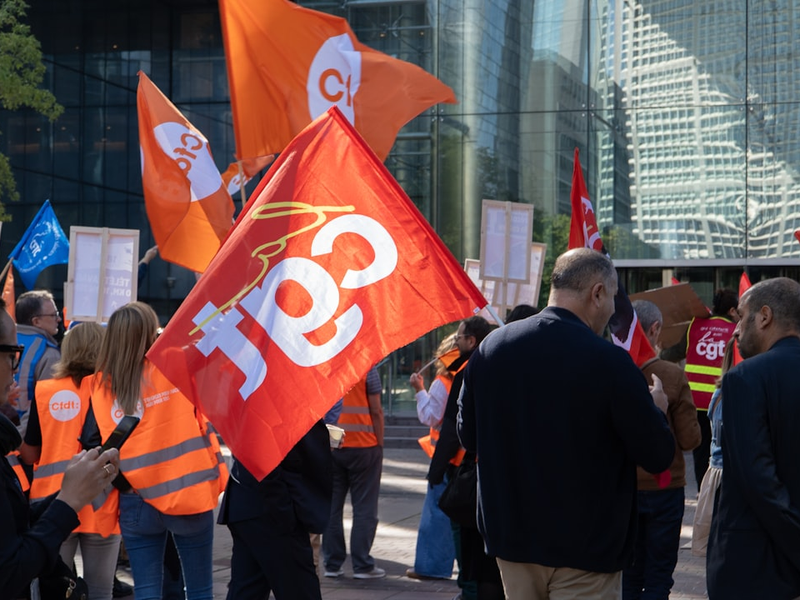
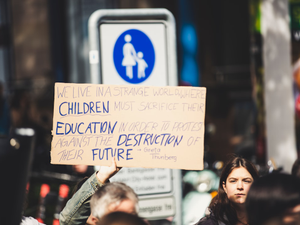
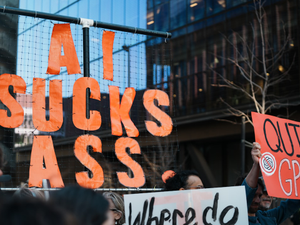
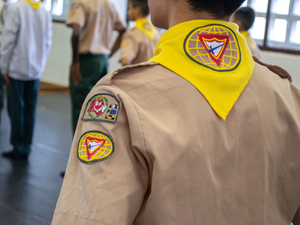
Photo by Camille Airvault on Unsplash
California just hit a major reckoning moment. This week, state education officials told teachers to pump the brakes on how they teach César Chávez in the classroom, and honestly, it’s forcing some real conversations about how we handle historical figures who did important work but also caused serious harm.
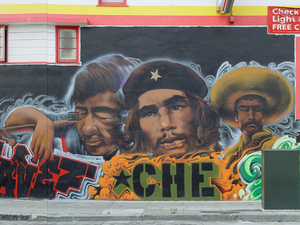
Chávez, the legendary labor rights icon whose name graces at least 43 schools across California, was accused of a long pattern of sexually abusing women and girls. Yeah, the same guy who’s been taught as a civil rights hero and champion of nonviolent protest since most of us were in elementary school. The California Department of Education responded by urging teachers to minimize Chávez’s individual role when teaching about the farm labor movement, instead emphasizing the collective work of thousands of farmworkers who fought for their rights.
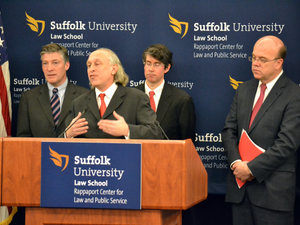
“The civil rights struggle of farm workers and immigrant communities is larger than one person”, said Elizabeth Sanders, a spokesperson for the California Department of Education. “We stand with survivors of violence, including and especially gender-based violence, which has no place in our society”.
Teachers across the state are now scrambling to rewrite lesson plans, especially with César Chávez Day coming up on March 31. James Aguilar, a social studies teacher at San Lorenzo High in Alameda County, talked openly with his students about the allegations this week. His students were shocked, most had grown up viewing Chávez as a hero, but they had tons of questions and wanted space to process their emotions.
“I believe survivors, and that’s where I lean”, Aguilar told them. He’s had to rethink curriculum before when new information about historical figures emerged, and he sees this as part of how social studies constantly evolves in real time.
The tricky part? Finding the right balance. Teachers need to acknowledge what Chávez did wrong without erasing the legitimate accomplishments of the farmworker movement. It’s not about pretending Chávez didn’t matter, it’s about recognizing that people can do important things for society while also causing real damage in other areas of their lives.
Morgan Polikoff, an education professor at USC, points out that this challenge isn’t unique to Chávez. “There are a lot of historical figures who are deeply problematic”, he said. “The real challenge is to find a way to teach about them that doesn’t ignore the allegations but reflects the complexities of their legacy”.
The California Department of Education is updating its entire history and social studies curriculum, an 800-page document that guides K-12 instruction, to reflect these conversations. School districts have some freedom in how they approach the topic, but they’re all grappling with the same question: how do you teach about the farmworker movement’s genuine importance while being honest about the person who became its most famous face?
AUTHOR: mb
SOURCE: Local News Matters