California Wants to Close Even More Prisons. and It Actually Makes Sense
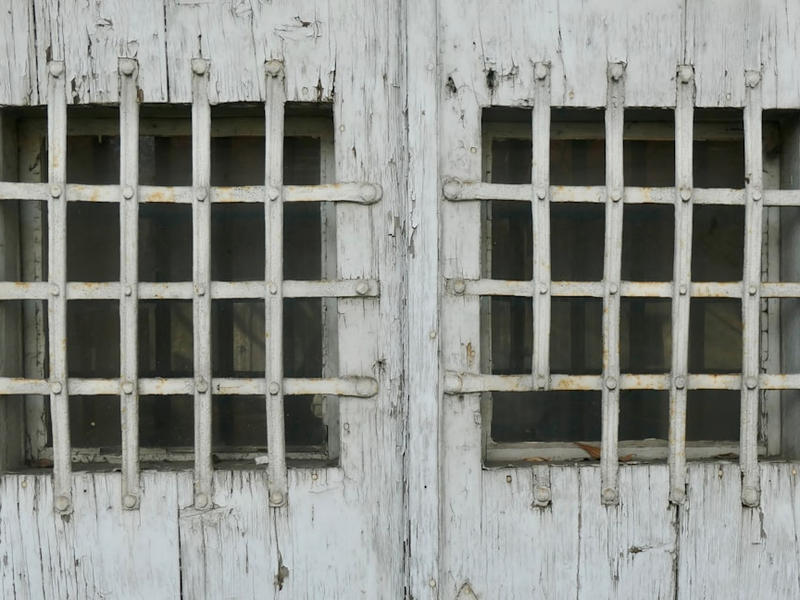
Photo by Bekky Bekks on Unsplash
California’s prison system is facing a question that would’ve seemed impossible just a decade ago: should the state close even more facilities? Gov. Newsom has already shut down five prisons during his tenure, but now some state lawmakers are pushing for a sixth closure as budget pressures mount and the incarcerated population continues to drop dramatically.
Here’s the situation: California’s prisons are holding roughly 70,000 fewer people than they were back in 2011, when severe overcrowding forced the state to create a plan to reduce the population. Today, the system has about 8,000 more beds than it actually needs. The Legislative Analyst’s Office released a report last month showing that California could close another prison and still have enough space for the 90,000 people currently incarcerated in the state.
The math is pretty compelling for lawmakers worried about California’s budget crisis. Closing a single prison could save the state around $150 million annually. That’s significant when you’re facing potential deficits in the coming years. The Newsom administration expects to spend $18 billion on prisons next year, which actually represents a decrease from where corrections spending was just a decade ago, it’s dropped from about 10% of the state budget to 5.6%.
Sen. Laura Richardson, a Democrat from Inglewood, was blunt about her priorities during a recent budget hearing. When discussing whether inmates should be placed in double-person cells to save money, she said: “If I had to choose between two inmates who are double-celling versus being able to provide health care for people who reside in the state of California, I would clearly err on that end”. It’s a pretty straightforward choice for her: use the savings to help people outside the prison system.
But California Corrections Secretary Jeffrey Macomber pushed back, explaining that closing prisons creates real problems. When a facility shuts down, the roughly 100 inmates housed there don’t get to go home, they get transferred to other prisons, creating backlogs in rehabilitation programs and limiting access to initiatives that help people prepare for life after release. Macomber argued that more single-person cells and programming opportunities actually improve public safety by giving incarcerated people better chances at rehabilitation.
The Legislative Analyst’s Office specifically flagged the Correctional Training Facility in Monterey County as a candidate for closure, partly because it needs expensive repairs. The next scheduled closure is the California Rehabilitation Center in Norco, expected to shut down by October. Previous closures under Newsom include prisons in Blythe, Tracy, and Susanville.
So what happens next? The debate really comes down to priorities: Do you prioritize squeezing money out of the corrections system to fund other state services, or do you invest in rehabilitation programs that might actually reduce recidivism? For now, lawmakers seem willing to keep pushing for closures, especially when the numbers show California simply has more prison beds than it needs.
AUTHOR: tgc
SOURCE: Local News Matters