California's Fighting Back Against Trump's Clean Air Rollbacks With a Bold New Move
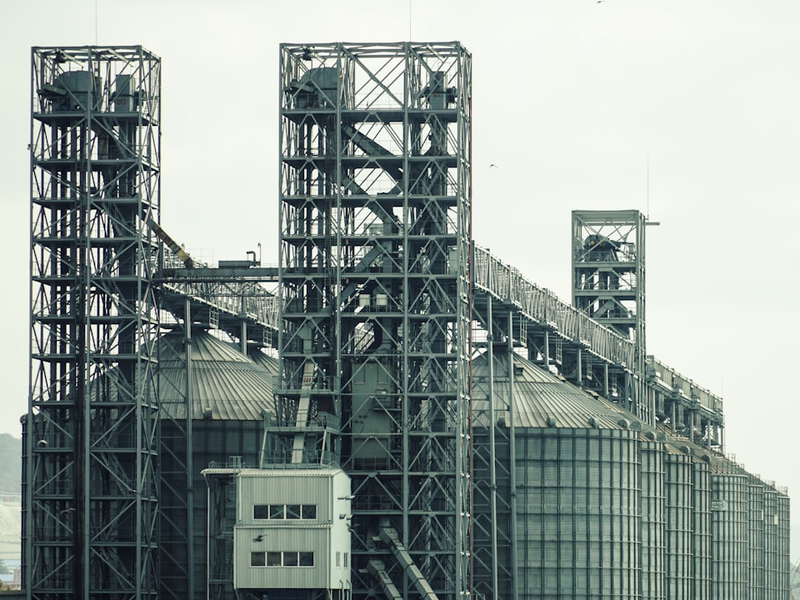
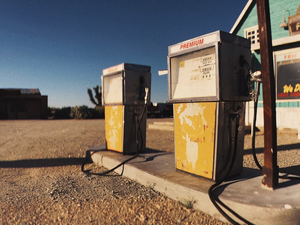
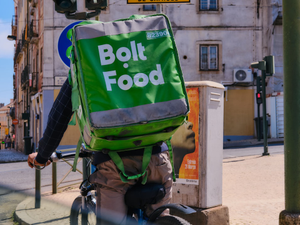
Photo by Pavel Neznanov on Unsplash
Your online orders are getting to your door faster than ever, but there’s a hidden cost nobody talks about: the diesel exhaust trailing behind every truck, train, and cargo ship moving goods through California’s ports and warehouses. For communities near these facilities, that pollution translates directly into some of the state’s worst asthma rates.
Here’s the problem: the Trump administration just stripped away two of California’s most powerful weapons against air pollution. They revoked the state’s authority to mandate electric vehicles and gutted federal greenhouse gas emission standards. It’s a massive blow to decades of work trying to clean up the air around our ports, railyards, and warehouses.
But California lawmakers aren’t backing down. Assembly Bill 1777, authored by Democrat Robert Garcia, proposes giving state air regulators a new tool to hold ports, warehouses, and railyards accountable for the pollution their operations attract. The strategy is called an indirect source rule, and it basically says: if your facility brings all these polluting trucks and trains to the area, you’re responsible for reducing that pollution.
It’s not a brand new idea. The South Coast Air Quality Management District has already been running a successful warehouse program called WAIRE since 2023. Large warehouses have to earn points by switching to electric trucks, installing charging stations, or paying fees that fund community pollution mitigation. The results? Over 1,400 zero-emission trucks purchased and $56 million in mitigation fees collected.
Obviously, business groups hate this. They argue that warehouses shouldn’t be held responsible for pollution from trucks they don’t own. The California Trucking Association has sued over it, claiming federal law gives only the EPA authority over vehicle emissions. But here’s the thing: every court that’s looked at indirect source rules has sided with the air regulators. Courts have found these rules target facilities, not vehicles, making them more like regulations on stationary sources like refineries.
There’s legitimate debate about whether AB 1777 goes too far in giving the California Air Resources Board economic control. But supporters point to the real health crisis we’re facing. The state projects that losing these federal programs will lead to 14,500 more deaths, 5,000 more hospitalizations, and 6,700 more emergency room visits from respiratory and cardiovascular problems by 2037. When people are choosing between buying their inhalers and putting food on the table, that’s not just an environmental issue, it’s a cost of living crisis.
Indirect source rules won’t fix everything, but experts say they can lay important groundwork for wide-scale electrification of California’s freight system. Other states like Illinois are watching and considering similar legislation. Right now, with the federal government rolling back protections, building that foundation matters more than ever.
AUTHOR: tgc
SOURCE: Local News Matters