California's Betting Big on Transit While Washington Sleeps
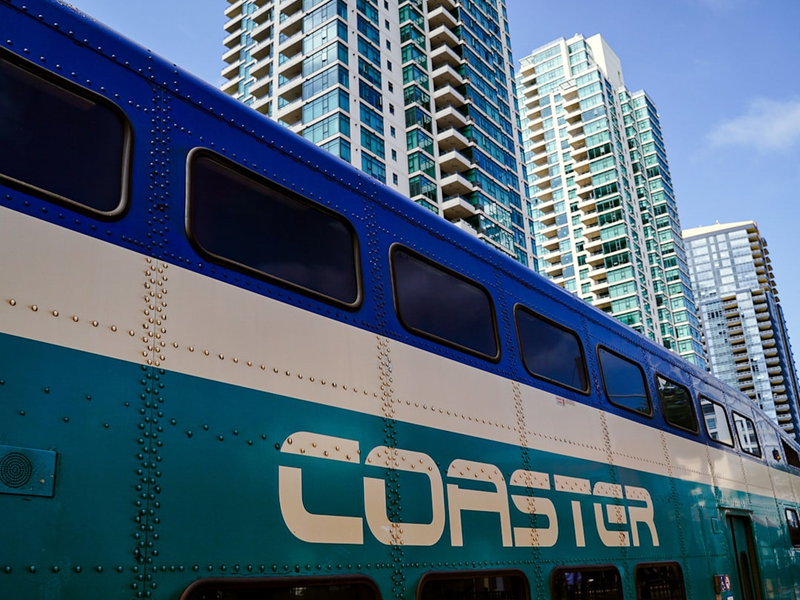
Photo by Jon Matthews on Unsplash
While the Trump administration rolls back federal infrastructure commitments, California is doubling down on its transportation future with nearly $900 million in fresh investments. Governor Gavin Newsom announced this week that the California Transportation Commission has allocated the funds to modernize mass transit, expand pedestrian and bicycle infrastructure, and deploy next-generation transportation technology across the state.
The timing matters. As other countries race ahead in clean tech and innovative transit solutions, California, the world’s fourth-largest economy, is refusing to wait around for Washington to get its act together. The state is also pushing forward with the 2026 State Highway Operation and Protection Program, committing $17.9 billion over four years to safety upgrades, bridge repairs, pavement improvements, and expanded access for people biking and walking.
“Transportation is ultimately about people”, said CTC Chair Clarissa Falcon. “How we get to work, to school and to each other”. The investments aren’t just about building flashy new projects, they’re designed to improve safety, strengthen mobility, and actually connect communities across California.
So what’s the money actually going toward? The Bay Area and Southern California are getting $273 million for next-generation rail technology, including cutting-edge systems for BART’s regional expansion and the tunnel connecting downtown San Jose to Santa Clara. The Port of Long Beach is receiving $33 million to expand rail freight operations, keeping California competitive as a major trade hub. Los Angeles is getting $35 million for rail power infrastructure, while Sacramento’s landing $33 million to build a massive public-access electric vehicle charging facility on 118 acres.
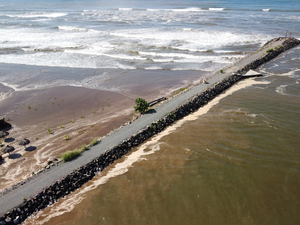
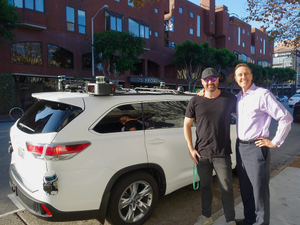
There’s also some climate-conscious work happening. San Diego County’s getting $3 million to stabilize eroding Del Mar Bluffs and protect critical coastal rail infrastructure from climate change impacts. And in a move straight out of sci-fi, California’s investing $1.5 million in automated vehicle collision prevention technology modeled on air traffic control systems.
The funding comes from two proven sources: $47 million from the federal Infrastructure Investment and Jobs Act and $405 million from California’s Senate Bill 1, the Road Repair and Accountability Act. Since 2017, SB 1 alone has provided nearly $5.5 billion annually for transportation projects, split between state and local agencies.
California Transportation Secretary Toks Omishakin emphasized that these investments reflect Governor Newsom’s commitment to strengthening critical infrastructure throughout communities. It’s a reminder that when the federal government checks out, states like California aren’t just waiting around, they’re building the future themselves.
AUTHOR: pw
SOURCE: gov.ca.gov