College Professors Are Done With Perfect AI Essays. Here's How They're Fighting Back
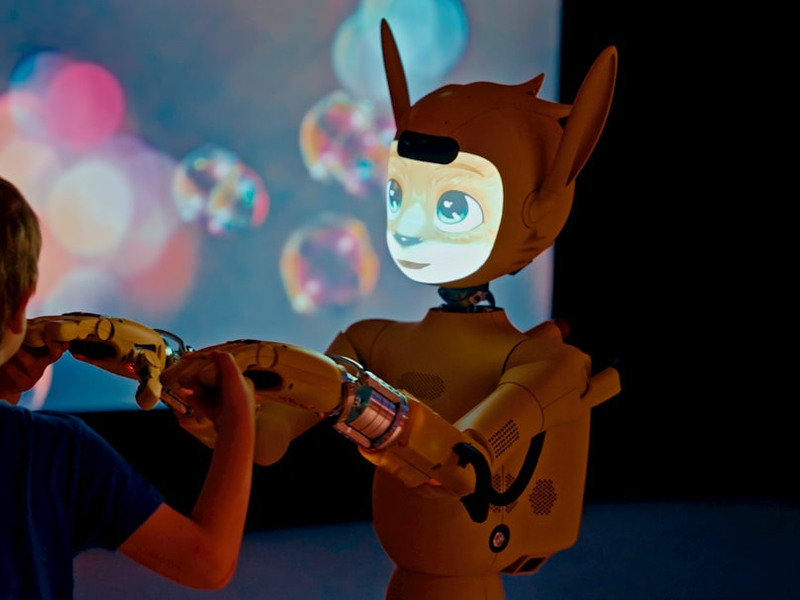
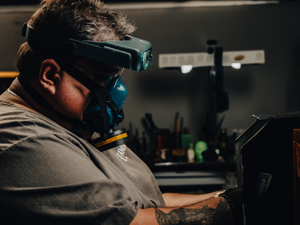
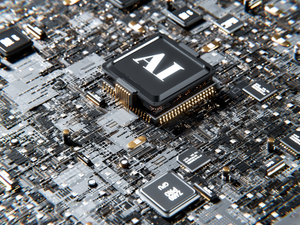
Photo by Enchanted Tools on Unsplash
Your homework looks absolutely flawless. Perfect grammar, impeccable structure, thoughtful analysis. But when your professor asks you to explain what you actually wrote, you just… blank. This scenario is becoming increasingly common on college campuses across the U.S., and educators are getting fed up.
Generative AI has created a weird paradox in higher education: students are submitting work that’s technically perfect, but they have no idea what it says. Professors at universities like Cornell, Penn, and NYU are noticing this troubling trend and they’re fighting back with a surprisingly old-school solution, oral exams.
Yes, the Socratic method is making a comeback. Chris Schaffer, a biomedical engineering professor at Cornell, introduced “oral defenses” to his classes where students must speak directly with an instructor about their work. “You won’t be able to AI your way through an oral exam”, he says. And he’s got a point. It’s nearly impossible to fake understanding when someone’s looking you in the eye and asking you to explain your reasoning.
The shift toward in-person assessments isn’t just happening at one school. Universities are running faculty workshops on oral exam strategies, and some professors are getting creative about implementation. At NYU’s Stern School of Business, Panos Ipeirotis took a different approach, he’s fighting fire with fire by using an AI-powered chatbot to conduct oral exams. Students log in from home and answer questions from an AI agent with a cloned human voice. The bot asks follow-up questions based on student responses and even provides feedback. While some students found the experience awkward, one described talking to a “blank screen” as jarring, others appreciated the accountability it created.
Emily Hammer, a Middle Eastern Languages and Cultures professor at Penn, pairs oral exams with written papers. She’s clear about her reasoning: “Students are actually losing skills, losing cognitive capacity and creativity”. This isn’t about catching cheaters, it’s about making sure students actually learn something.
The benefits extend beyond just verification. Professors are finding that one-on-one interactions help shy or anxious students shine in ways traditional written exams never allowed. Cornell junior Olivia Piserchia initially felt nervous about her oral defense but came to prefer it. “It’s a lot harder to look people in the eyes and say out loud, ‘I don’t know this,’” she explains. That accountability pushes students to actually engage with the material.
As AI becomes more sophisticated, colleges are realizing that the traditional essay or problem set no longer proves what students know. These new assessment methods might feel unconventional to American students accustomed to written exams, but they’re forcing everyone back to the actual point of education: learning.
AUTHOR: mei
SOURCE: NBC Bay Area