California's Prison Tablet Swap Is Creating Chaos. And Inmates Are Losing Everything
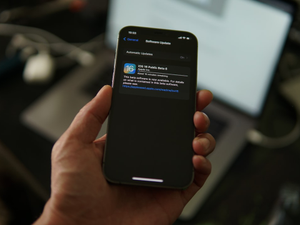
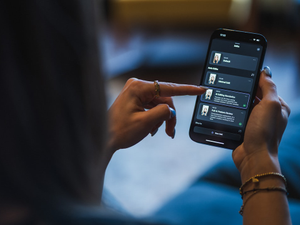
Photo by Abdullah Al Imran (ইমরান) on Unsplash
California’s nearly 90,000 incarcerated people are currently experiencing a massive headache as the state transitions from Viapath tablets to new Securus devices. What was supposed to be a smooth upgrade has turned into a months-behind-schedule nightmare that’s leaving people frustrated, confused, and, most critically, at risk of losing irreplaceable personal data.
The switch stems from a legal battle and bidding war between two telecom giants. Securus won a four-year, $189 million contract by promising lower costs than its competitor Viapath. On paper, that sounds good. The California Department of Corrections and Rehabilitation claimed the change would reduce costs to incarcerated people and their families for services like text messages, photo sharing, and video calls. The state also saves money since it covers outgoing phone call costs, California is one of only five states that does this.
But here’s where things get messy. When Securus tablets first rolled out at the California Institution for Women in Chino, people quickly discovered a billing discrepancy. They expected to pay 3 cents per text message according to the contract, but the actual charges were higher due to what appeared to be an undisclosed pricing scheme based on character count. After complaints from prisoners and advocates raised hell about it, Securus quietly fixed the billing to match the original contract and issued $10 credits. The company never explained what happened.
Then there’s the entertainment pricing situation. New movies available on Securus cost real-world prices, like $8.99 for recent releases, with only 48 hours to watch them after purchase. For context, most incarcerated people earn less than 74 cents per hour for prison jobs. Their families and friends have to deposit money into their accounts to cover these costs, making entertainment access deeply unequal.
But the biggest issue isn’t even about money. It’s about losing everything. When people turn in their old Viapath tablets for new Securus devices, none of their personal photos, videos, messages, or streaming subscriptions transfer over. The system resets completely. Viapath offers no way to back up this data, and without internet access, prisoners can’t use cloud services like Google Drive or Dropbox. Their only option is to pay per page to print photos and messages before the old tablets shut down forever.
For many people, those digital memories represent their only real connection to loved ones on the outside. Losing them feels devastating and, frankly, cruel. One long-term inmate described it as “tragic”.
The transition has also created technical chaos. Wi-Fi keeps dropping, landlines go down, and staff constantly have to make repairs. Meanwhile, advocates like Bianca Tylek of Worth Rises note that neither company prioritizes these issues because they don’t think anyone cares about incarcerated people. State Senator Josh Becker is watching closely and pushing for legislation to make text messaging free, following the 2022 law that made phone calls free. But right now, the system feels less like progress and more like a corporate money grab wrapped in bureaucratic incompetence.
AUTHOR: cgp
SOURCE: CalMatters