OpenAI's Codex Just Got a Major Upgrade. Here's What It Means for Developers
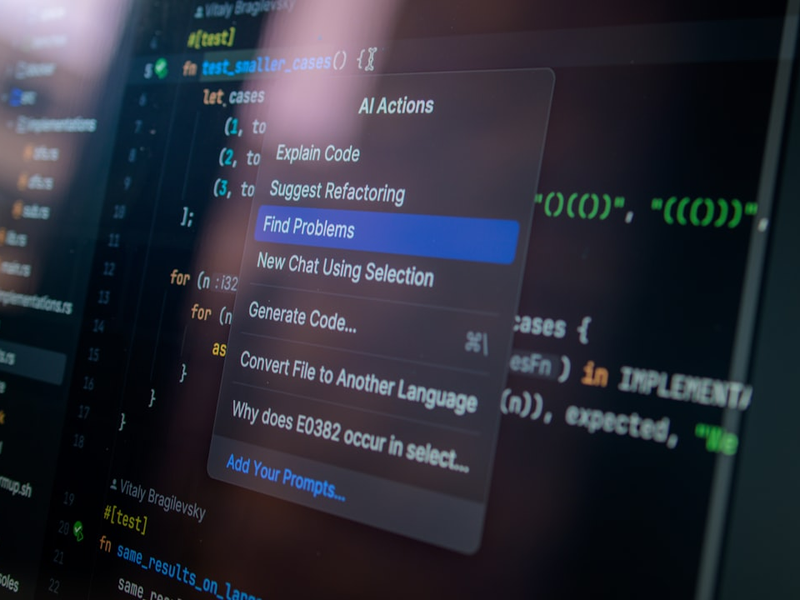
Photo by Daniil Komov on Unsplash
OpenAI is making a serious power move in the AI coding space. The company just rolled out plugin support for Codex, its agentic coding application, bringing it closer to what competitors like Anthropic’s Claude Code and Google’s Gemini command line interface are already offering. Basically, OpenAI is leveling up the game, and it’s worth paying attention to.
So what exactly are these plugins? Think of them as customizable bundles that combine skills (essentially prompts that describe workflows to Codex), app integrations, and MCP servers, that’s Model Context Protocol for those keeping score. The goal here is straightforward: make it easier for individual users and entire organizations to set up Codex for specific tasks and then replicate those setups across teams. It’s all about efficiency and consistency.
Now, here’s the real talk, this isn’t exactly groundbreaking technology. Power users have been doing a lot of this stuff already. They could add custom instructions, integrate MCP servers, and build out similar functionality without breaking a sweat. But there’s a crucial difference now: it’s way more accessible. Instead of having to tinker under the hood, users can basically do a one-click installation. That democratizes the technology in a big way, especially for people who don’t want to dive into the technical weeds.
The plugins are accessed through a dedicated Plugins section in the Codex app, which features a searchable library designed to integrate Codex with external services and applications. We’re talking about some heavy hitters here, GitHub, Gmail, Box, Cloudflare, and Vercel are already in the mix. This means developers can connect Codex to the tools they’re already using in their workflow without jumping through hoops.
What’s interesting about this move is that it signals OpenAI’s understanding of where the market is heading. AI coding assistants are becoming essential tools for development teams, and the real competition isn’t just about how smart the AI is anymore. It’s about integration, customization, and how seamlessly the tool fits into existing workflows. By opening up the plugin ecosystem, OpenAI is acknowledging that developers need flexibility and that a one-size-fits-all approach isn’t going to cut it.
For the San Francisco Bay Area tech community, this is worth monitoring. If you’re already using Codex or considering it for your organization, these plugins could genuinely change how you work. The barrier to entry just got lower, and the possibilities just got broader. Whether you’re a solo developer or part of a larger engineering team, OpenAI’s latest move makes their coding tool feel less like a fancy chatbot and more like an actual team member who integrates with everything you’re already doing.
AUTHOR: mb
SOURCE: Ars Technica