California's Environmental Loophole: How a Budget Blunder Could Let Toxic Factories Off the Hook
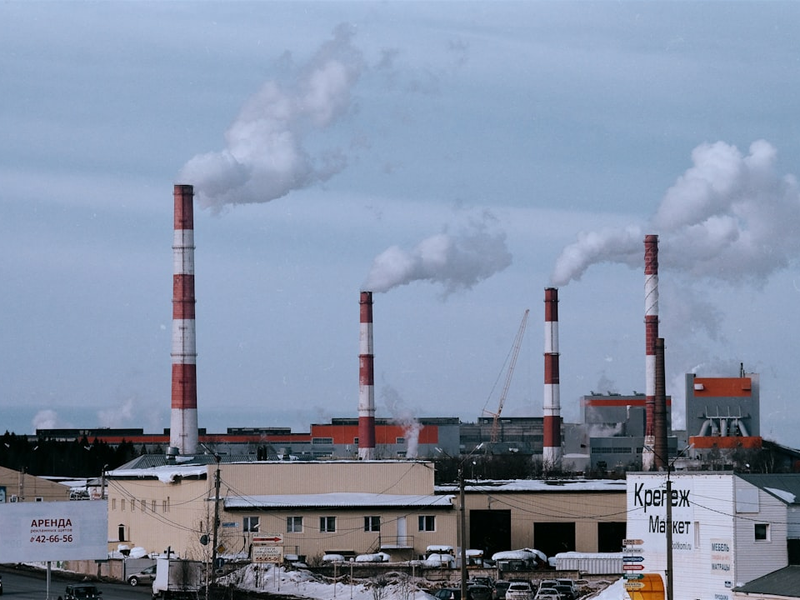
Photo by Denis Egorov on Unsplash
Last year, California lawmakers accidentally created a massive loophole in the state’s environmental protection laws, and now they’re scrambling to fix it before it causes real damage to communities across the state.
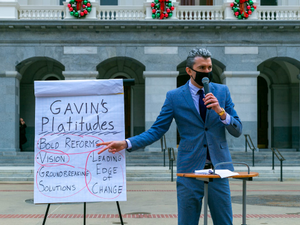
Here’s what went down: Governor Gavin Newsom basically held the state budget hostage and demanded legislators pass sweeping reforms to California’s environmental review law, known as CEQA. In the rush to get the budget passed, lawmakers exempted a bunch of industrial facilities from environmental review, including something called “advanced manufacturing”. The problem? They pulled the definition from the California Resource Code, which was originally meant for tax incentives, not environmental policy. The result is a definition so broad and vague that it includes everything from electric vehicle manufacturing to strip mining and chemical recycling.
State Senator Catherine Blakespear is now introducing Senate Bill 954 to actually fix this mess. The bill would narrow down what facilities qualify for the exemption and add protections for communities that live near these developments. It would also block exemptions for facilities too close to disadvantaged communities and require environmental review in areas that already have excessive air pollution.
But here’s where it gets politically messy: environmental justice groups and industry leaders are totally at odds over how to handle this. Industry argues that streamlining environmental reviews is essential for keeping manufacturing jobs and investment in California. Lance Hastings, CEO of the California Manufacturing and Technology Association, says that facilities classified as advanced manufacturing already operate under some of the strictest environmental regulations in the world.
Environmental justice groups, on the other hand, are rightfully concerned about communities being left out of decisions that directly affect their health. Raquel Mason from the California Environmental Justice Alliance points out that CEQA gives communities a formal voice in determining whether and how facilities get built near them. Without it, she says, environmental justice communities are playing on an uneven field.
The stakes here are real. Look at the Exide battery recycling facility south of downtown Los Angeles, it spent decades leaking lead and arsenic into the soil, poisoning children and causing cancer cases. Under the current loophole, a facility like that might have skipped environmental review entirely.
What’s wild is that most Californians actually agree with environmental justice groups on this one. A recent poll found that 72% of voters support CEQA, and two in three people oppose exempting advanced manufacturing facilities from environmental review.
Blakespear’s bill signals that last year’s rushed reforms might not survive the legislative process. But with industry pushing back hard and lawmakers claiming they’re open to compromise, the fight is just beginning. The question now is whether California can figure out how to incentivize clean energy manufacturing without sacrificing the health and voices of the communities where these factories actually get built.
AUTHOR: mls
SOURCE: CalMatters