Plot twist: literally everything is solar power (yes, even coal)
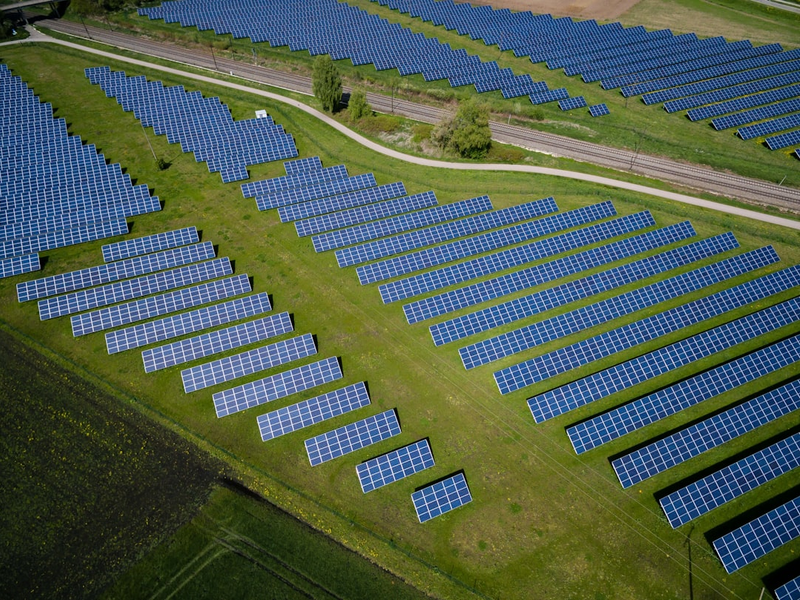
Photo by Andreas Gücklhorn on Unsplash
Here’s a mind-bending reality check: whether we’re talking about coal, wind, hydroelectric, or nuclear power, almost everything we use to generate electricity traces back to the sun. And no, we’re not being poetic about it.
Let’s break it down. When you burn coal, you’re essentially releasing energy that ancient plants captured from sunlight millions of years ago through photosynthesis. Those prehistoric ferns and swamp trees eventually got buried under layers of rock and heat, transforming into the coal we dig up today. Oil and natural gas? Same story, except they came from marine microorganisms like phytoplankton and algae that also relied on photosynthesis. The sun’s been powering our planet for literally billions of years, we’re just really late to the party.
Wind energy works the same way. The sun heats Earth’s surface unevenly, creating temperature differences that cause air to move. That movement we call wind? It’s just the sun’s energy being converted into kinetic energy in the atmosphere. Even hydroelectric power depends on the sun evaporating seawater, which becomes rain and snow that fills reservoirs. Every major energy source on Earth is basically just storing or converting solar energy in different forms.
Now, here’s where the physics gets actually cool. Almost every power plant on the planet, whether it burns coal, gas, or uses water and steam, relies on one simple principle: spinning a coil of wire inside a magnetic field. Back in the 1830s, Michael Faraday figured out that when you change the magnetic field around a wire, it creates electric current. Pretty much every power plant just scales this up by using different methods to spin that coil. Coal plants use steam, wind farms use, well, wind, and hydroelectric dams use flowing water. The technology is fundamentally identical.
But solar panels are the rebels here. They skip the whole “spin a magnet” thing entirely and convert light directly into electricity through photovoltaic cells. No moving parts, no combustion, no nuclear reactions, just pure light-to-electricity conversion. At the equator, the sun delivers about 1,000 watts of power per square meter to the ground. With modern panels that are roughly 20 percent efficient, you can get 200 watts per square meter, which means a few panels can power an entire home.
The wild part? There’s one exception to the “everything is solar” rule: nuclear power. Nuclear plants work by splitting atoms, which converts mass directly into energy using E=mc². That’s something the sun also does through fusion, but it’s not technically channeling solar energy, it’s doing its own thing.
The bottom line is this: we’ve got an unlimited energy source literally shining down on us 24/7, and we’re still burning fossilized sunlight instead of using the real thing. The sun will keep burning for another 5 billion years. That’s a pretty good deal.
AUTHOR: mp
SOURCE: Wired